Features, cover stories, columns and quiet visits — the writing that surrounds the paintings.
A life in art is rarely measured by success alone. It is shaped by discipline, memory, loss, observation, and the courage to begin again. For Ranjit Das, becoming an artist has been a lifelong process of learning and unlearning. From his rigorous years in Baroda under K. G. Subramanyan to the memories of war, the attic room of Shakhari Bazar, and the quiet act of observing the world from above, each experience has contributed to his visual language. Perhaps the true measure of his journey lies not in the balance sheet of success, but in the accumulation of seeing.
Sheikh Muhammad Sultan, widely known as S.M. Sultan is one of the most renowned artists who played a crucial role in the development of Modern Bangladeshi Art. He is particularly salient for his artistic approach of representing Bengal peasants as muscular, strong beings of nature. While discussing an artist’s concept, philosophy and artistic vision, it is requisite to first mention his artistic journey, which not only gives an insight into his life but also makes it easier to understand how an artist becomes an artist. While there are many books and articles on this legendary artist, this article tends to revisit as well as reinterpret his concept of forms and the philosophy behind his choice of such a distinctive figural approach that made him renowned as ‘Sultan’ not only at home but also abroad.
A visit to Jamal Uddin Ahmed’s studio offers more than an opportunity to view paintings. Explore the artist’s working process, personal history, lifelong friendships, and the quiet rhythms of everyday life that shape his practice. Through decades of artworks, cherished memories, and the atmosphere of his Elephant Road studio, the visit becomes a journey into the world behind the canvas.
Every artist's studio carries its own rhythm. Some are filled with unfinished conversations between canvas and colour; others quietly preserve memories long before they become paintings. A studio is more than a workspace, it is where an artist's way of seeing gradually takes form. It is also where the ordinary begins its transformation into something enduring.
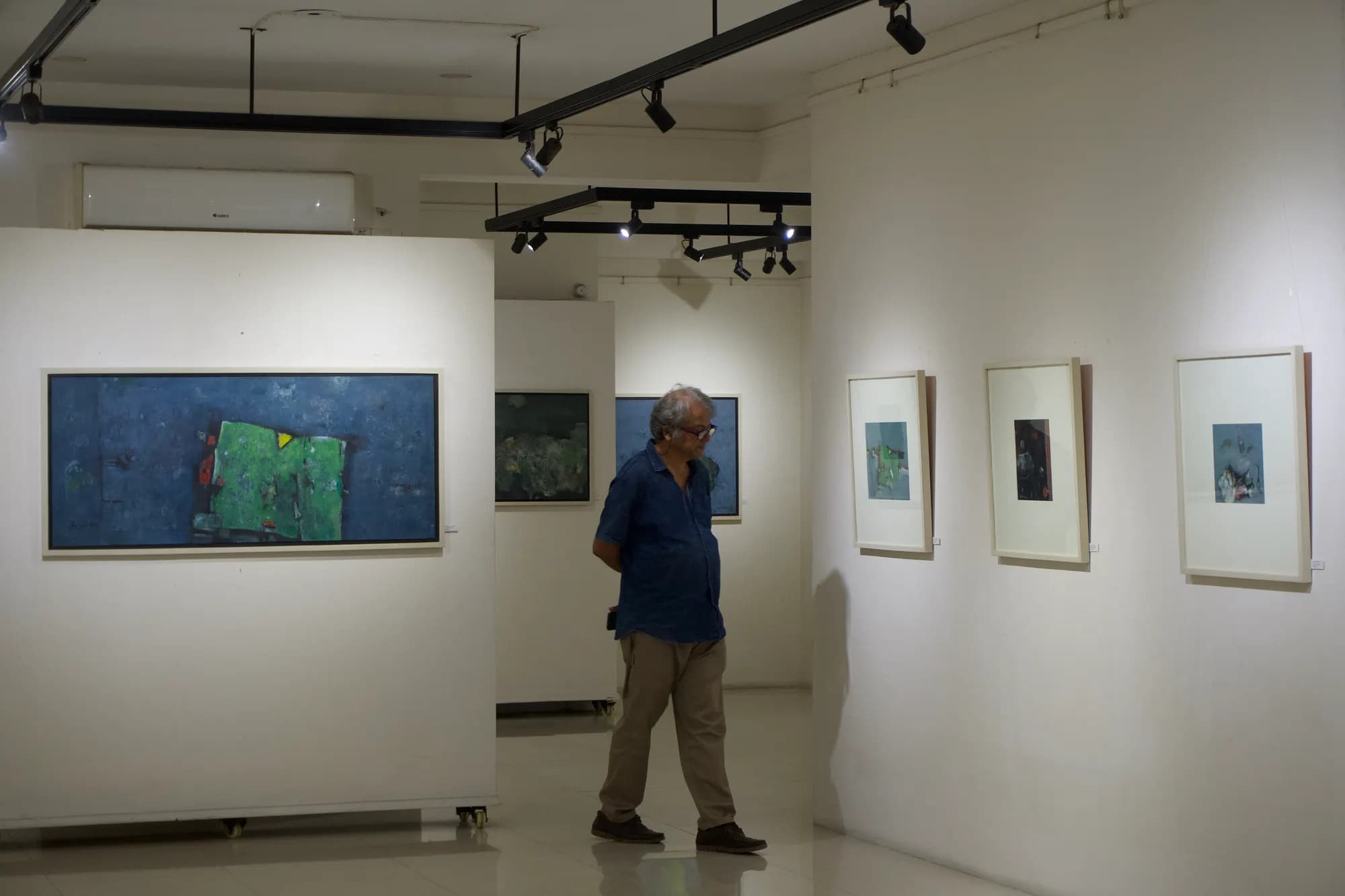
We often assume that what is visible is all there is to see. Yet perhaps the more important question is not what we look at, but whether we truly see it. The distinction between looking and seeing quietly unfolds throughout Shamsul Alam Azad’s third solo exhibition, ‘Visible Structure’, currently on view at Gallery Chitrak.
What we perceive with the naked eye merely scratches the surface — beneath lies a complexity we rarely have the opportunity or capacity to fully explore. The mundane objects of daily use offer profound insights into someone’s inner landscape. Press enter or click to view image in full size
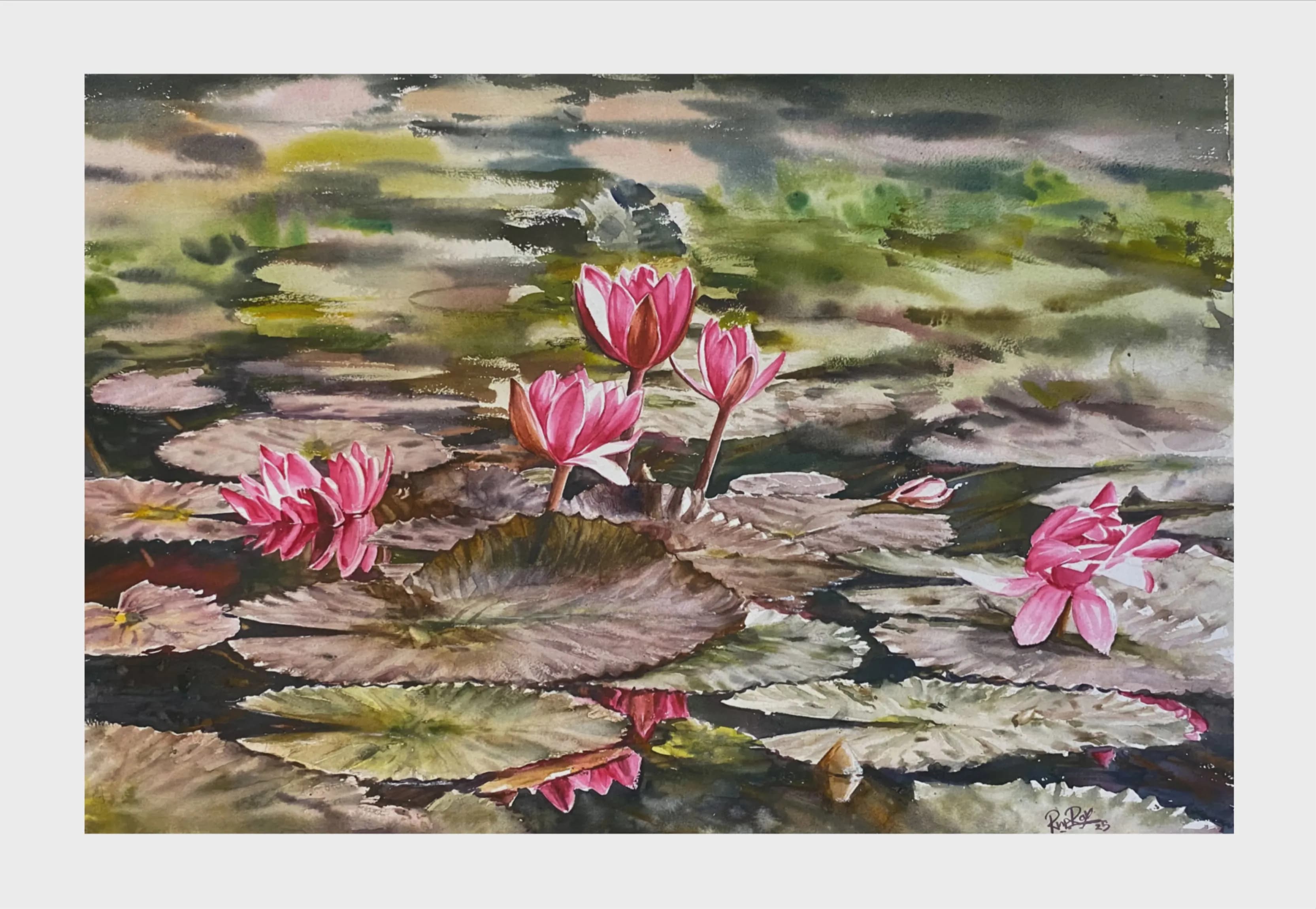
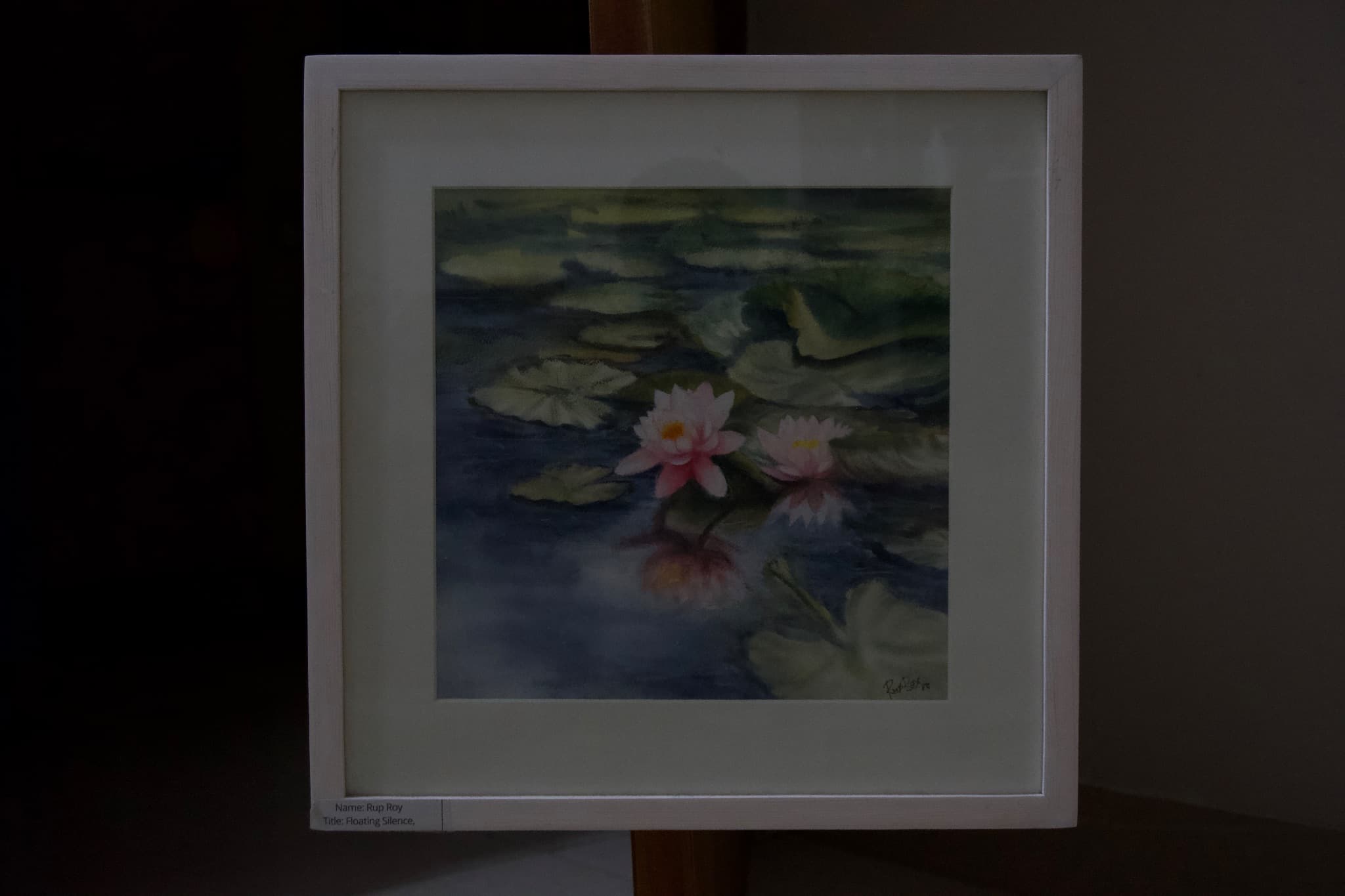
From Dhaka to Florence: The Journey of Artist Rup Roy’s Watercolor Lily Rup Roy has been working across various artistic mediums for many years, though oil painting has recently claimed most of his attention. Yet he always returns to watercolor with a kind of natural pull. His landscapes and especially his lilies have earned him a distinguished place among leading contemporary artists in these genres. On December 1, in the historic Italian city of Florence, Artist Roy’s first international exhibition will open. Hosted at the Tobian Art Gallery on the banks of the Arno River, the exhibition will feature a remarkable piece from his still-unreleased watercolor Lily series.
The tendency among artists to avoid speaking the truth seems to be increasing day by day. Creativity, honesty and moral courage are equally important qualities for an artist. Without the courage to acknowledge the truth, the depth and integrity of one's artistic identity become questionable.
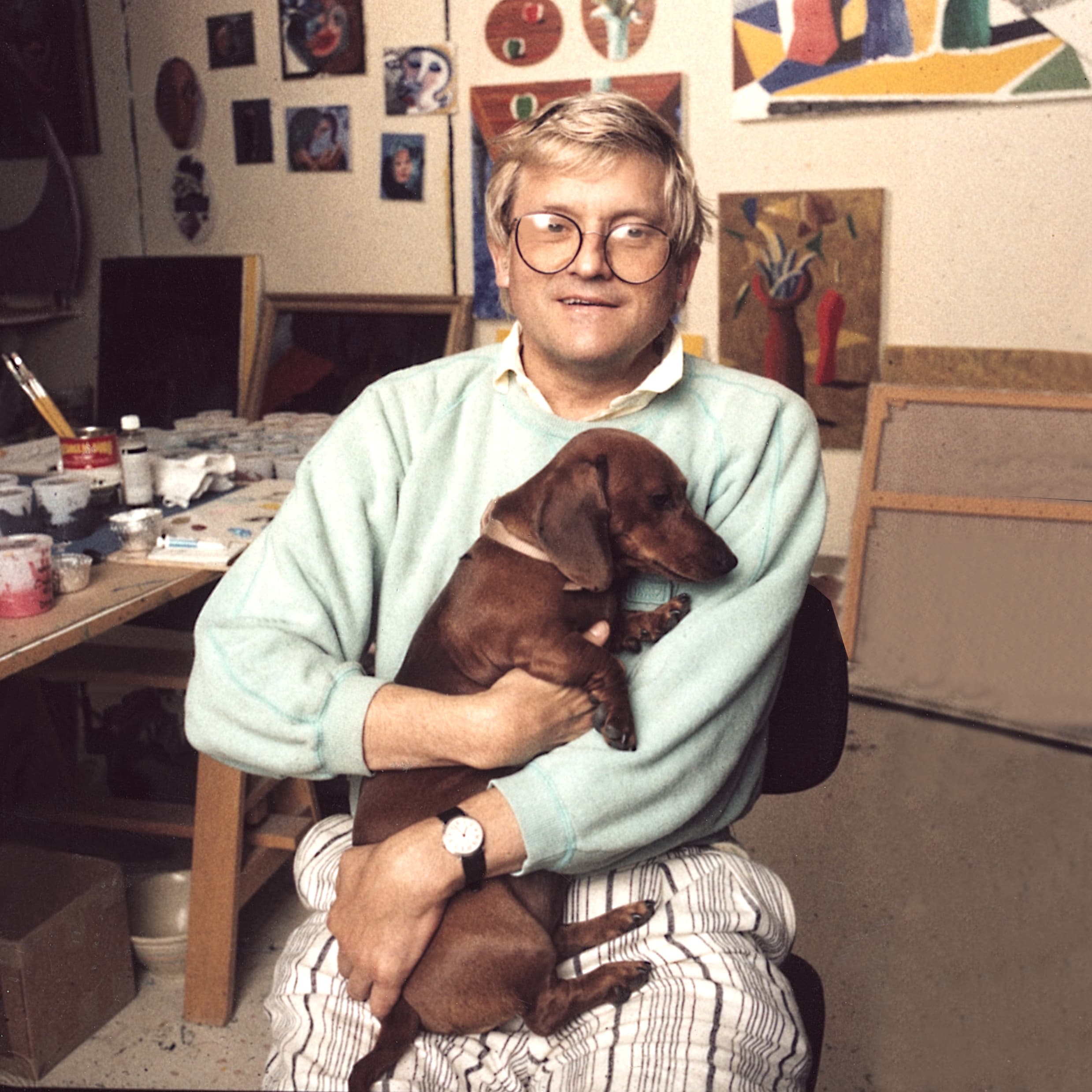
David Hockney, who transformed the way we see color, light, space, and everyday life. David Hockney's relentless curiosity and artistic innovation reshaped contemporary art and inspired generations across the world. From painting and printmaking to photography, iPad drawings and works on paper, Hockney left his mark on every medium he touched and brought more colour into our lives. “Put your phone down, look with both eyes.” — David Hockney
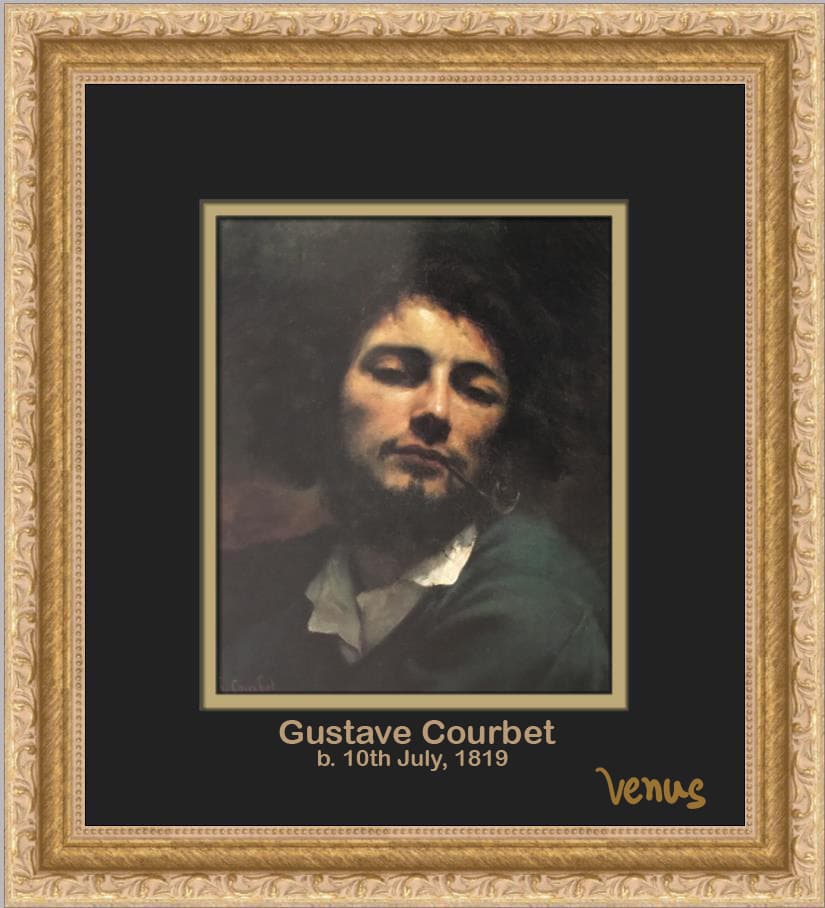
On 207th Birthday Dulochapa remembering Gustave Courbet.
ফেব্রুয়ারি শুধু একটি মাস নয় — এটি বাঙালির আত্মপরিচয়ের সঙ্গে গভীরভাবে জড়িয়ে থাকা এক আবেগ, এক ইতিহাস, এক অবিচ্ছেদ্য সম্পর্ক। এই মাসকে কেবল “ভাষার মাস” বলে সংজ্ঞায়িত করলে তার ব্যাপ্তি ও গভীরতা পুরোপুরি প্রকাশ পায় না। ১৯৫২ সালের ভাষা আন্দোলন, মাতৃভাষার মর্যাদা রক্ষায় আত্মদান, আর সেই আত্মত্যাগের অন্তর্লীন আবেগ — সব মিলিয়ে ফেব্রুয়ারি আমাদের জাতীয় চেতনার এক অনন্য অধ্যায়।
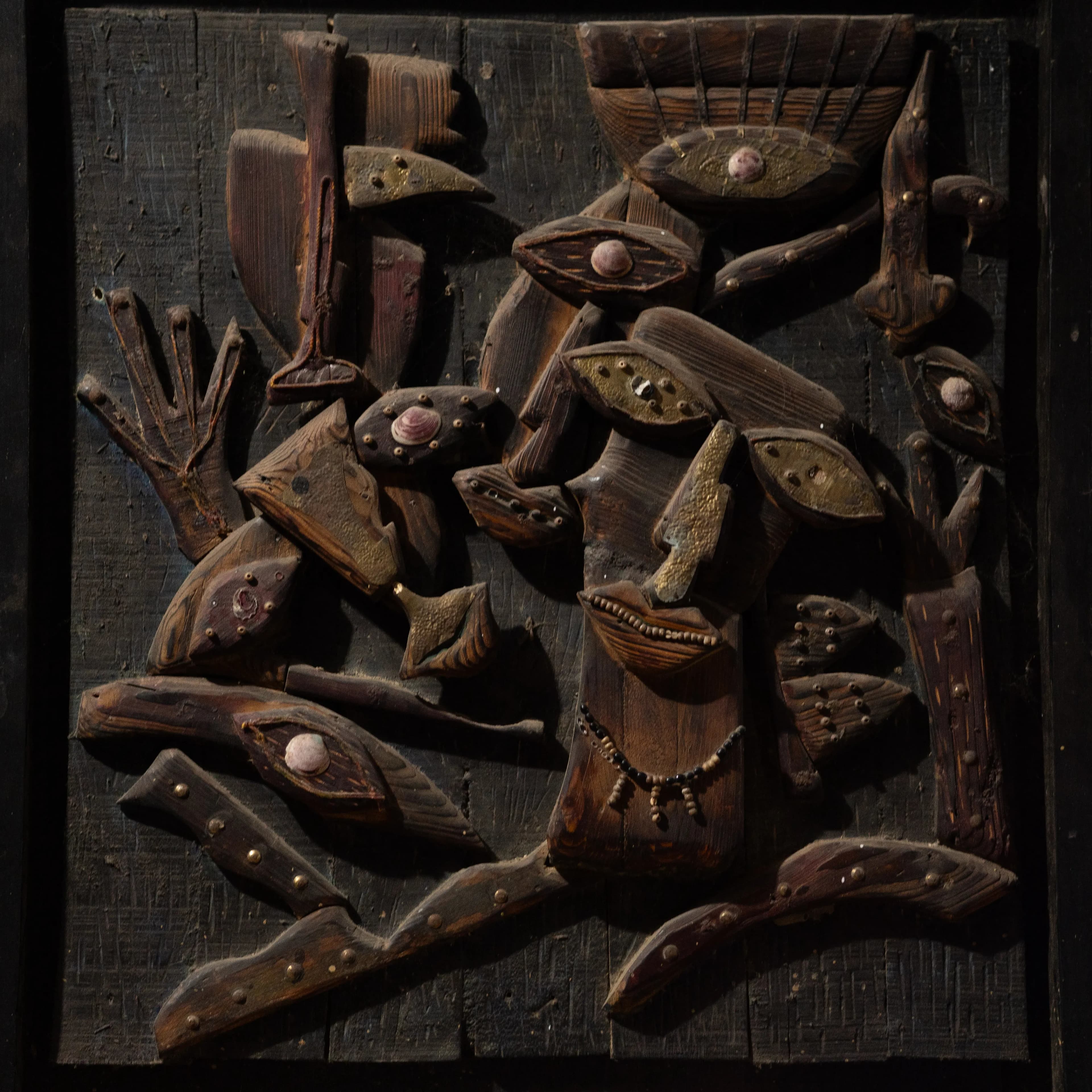
Art is not only about how beautiful it is. What matters even more is how it is presented, where it is placed, and how carefully it is preserved. Our perspective toward art ultimately determines its true position. As part of Dulonchapa, we visit different places, explore artistic practices, and try to connect with creative works. Recently, during a visit to Jahangirnagar University, we noticed a craft piece while walking through the old Fine Arts building at night. The work was most likely an academic project — perhaps the result of significant effort, thought, and emotion. Yet after submission, it seems to have been left neglected in a corner.
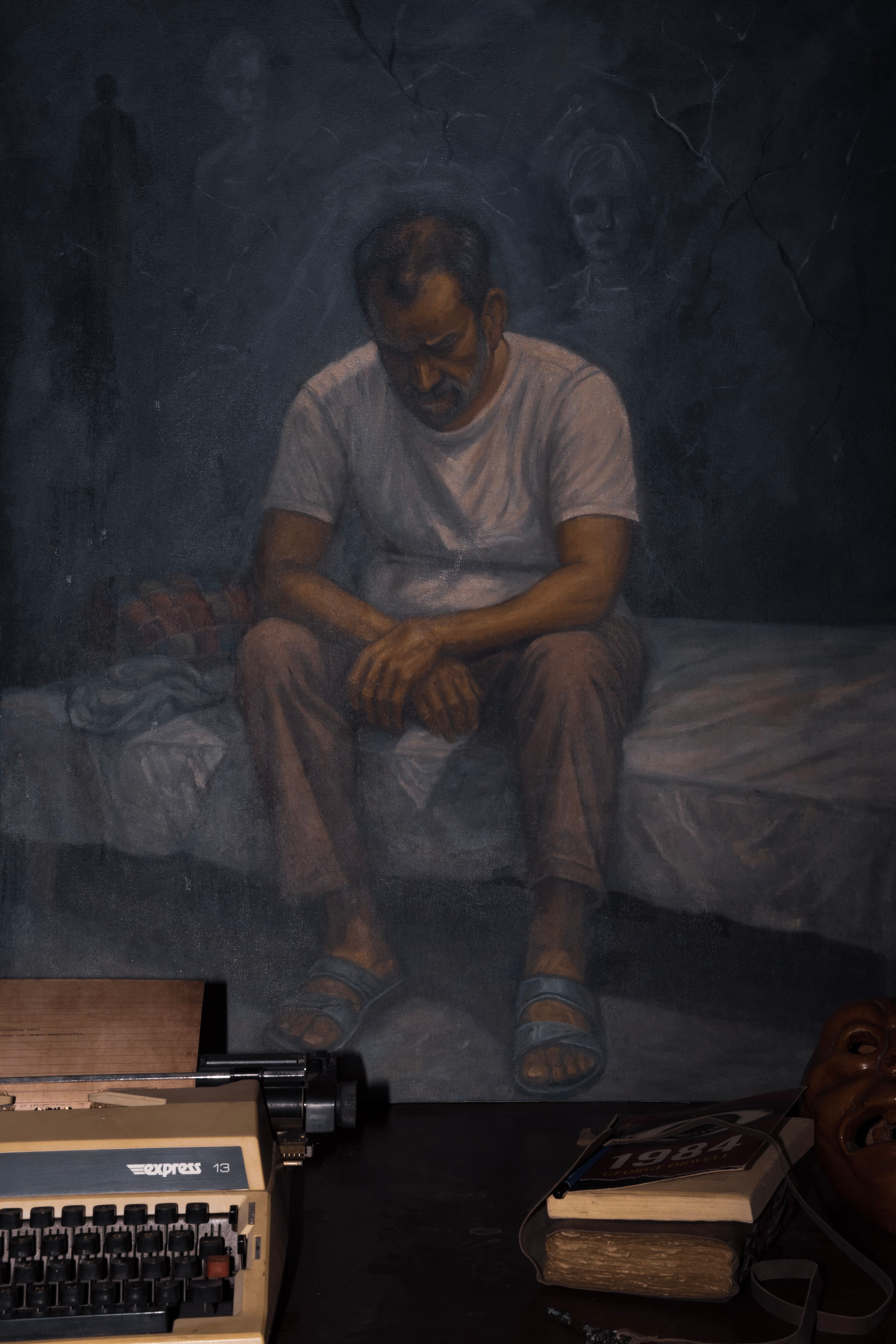
Loneliness in Cerulean Hues
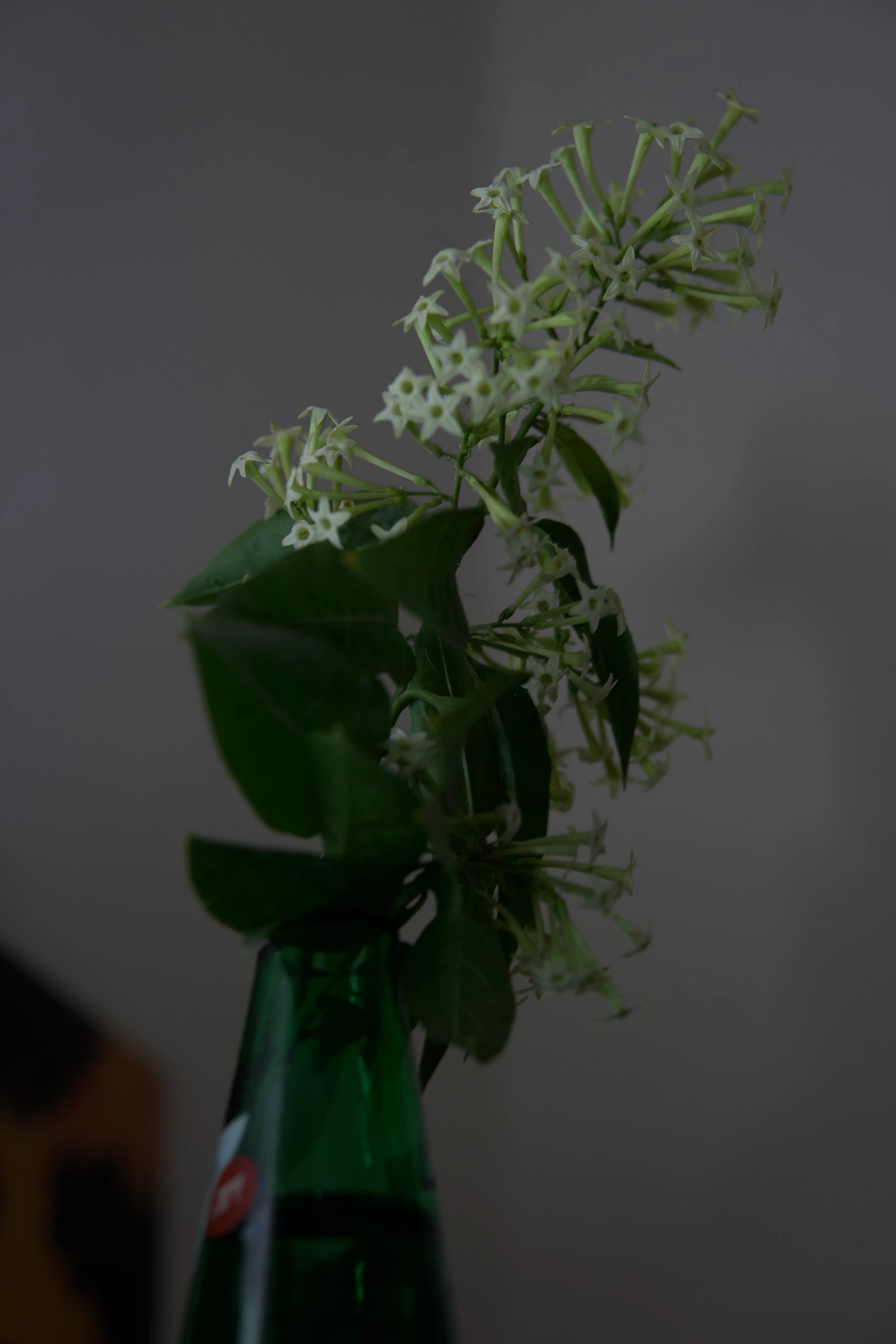
We usually do not pick flowers to keep in a flower pot; personally, I believe flowers are most beautiful when they remain on the tree. Unfortunately, we do not have the privilege of planting a tree at our home. Still, Hassanuhana flowers bloom across from our building, and right beside that tree stands a small tea stall.
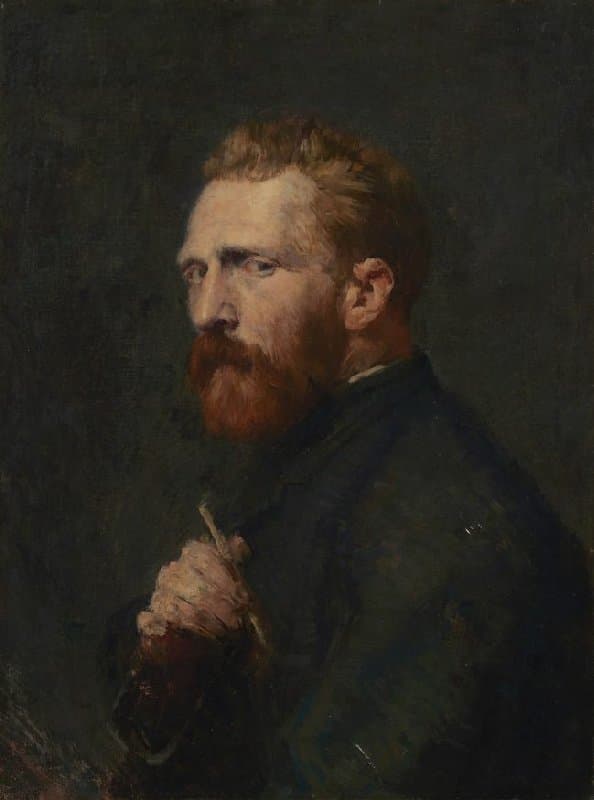
Remembering Vincent van Gogh on His Death Anniversary
Surovi has described her journey as shaped less by particular destinations than by an ongoing process of learning.
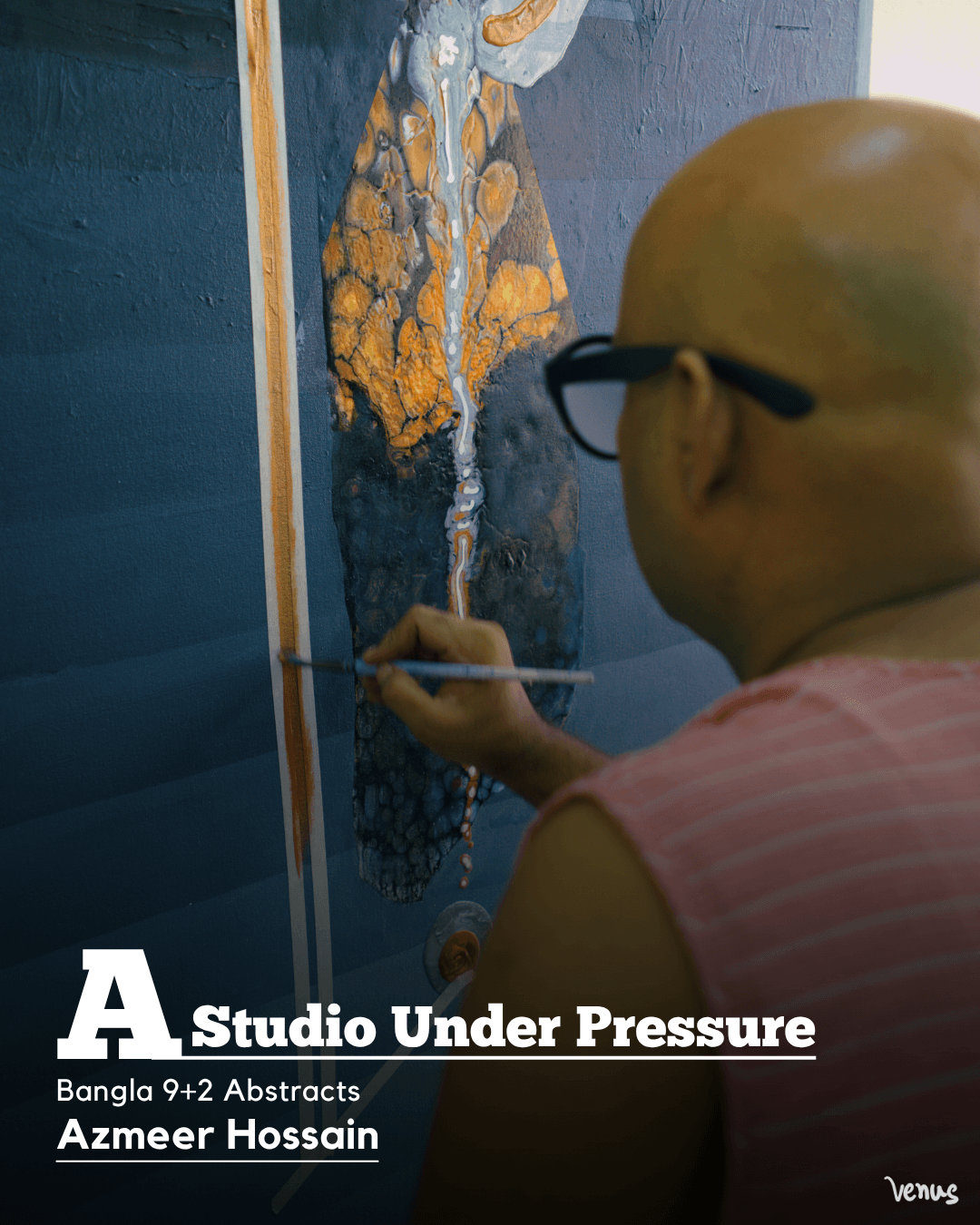
Inside Azmeer Hossain’s home studio, Dulonchapa witnessed an artist working under immense pressure, he finishing ten large-scale paintings for an international exhibition while exploring the possibilities of mixed media. A glimpse into the process, discipline and persistence behind an evolving artistic practice.
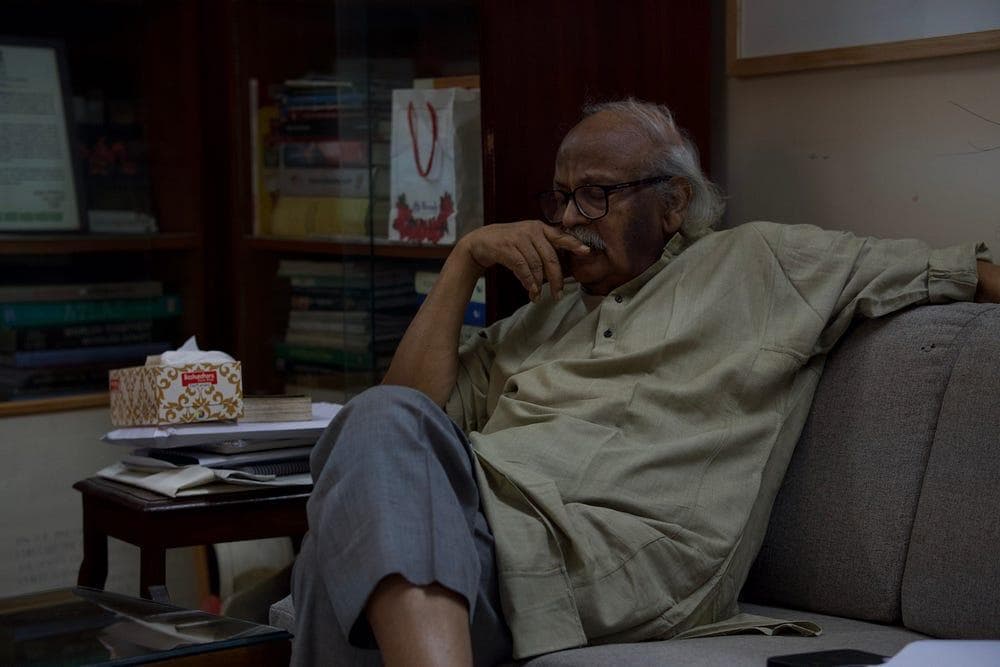
Talking with an artist often feels like talking about far more than art. Behind Mohammad Eunus, seventy-two and still filling sketchbooks, dedication outlasts everything else…
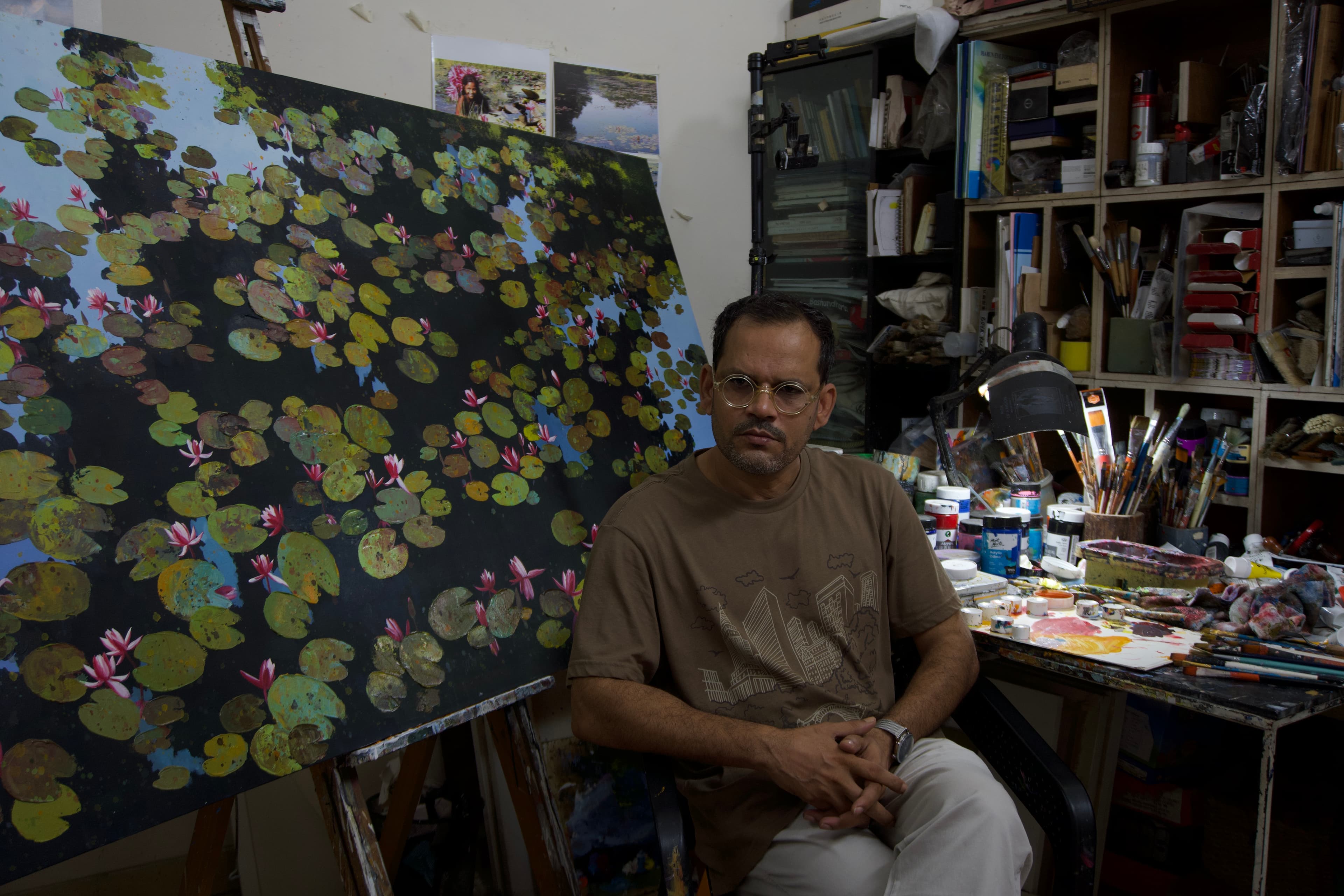
A conversation with Ratneswar Sutradhar about lilies, Pixel Error, fatherhood, the haor, and the quiet world that shapes one of Bangladesh's most distinctive contemporary artists…
A visit to Rafikun Nabi's home became a journey through decades of artistic practice, memory, and history…
Painting is not about what we see, there are several things what we explore…
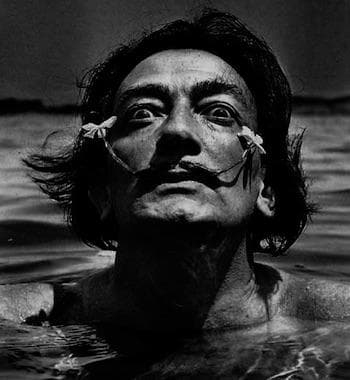
Salvador Dalí was more than a painter. He saw the disturbance inside reality. Some artists paint what they see and they paint beauty…
There is a persistent but misleading misconception in our society that art collecting is a playground for the ultra wealthy community…
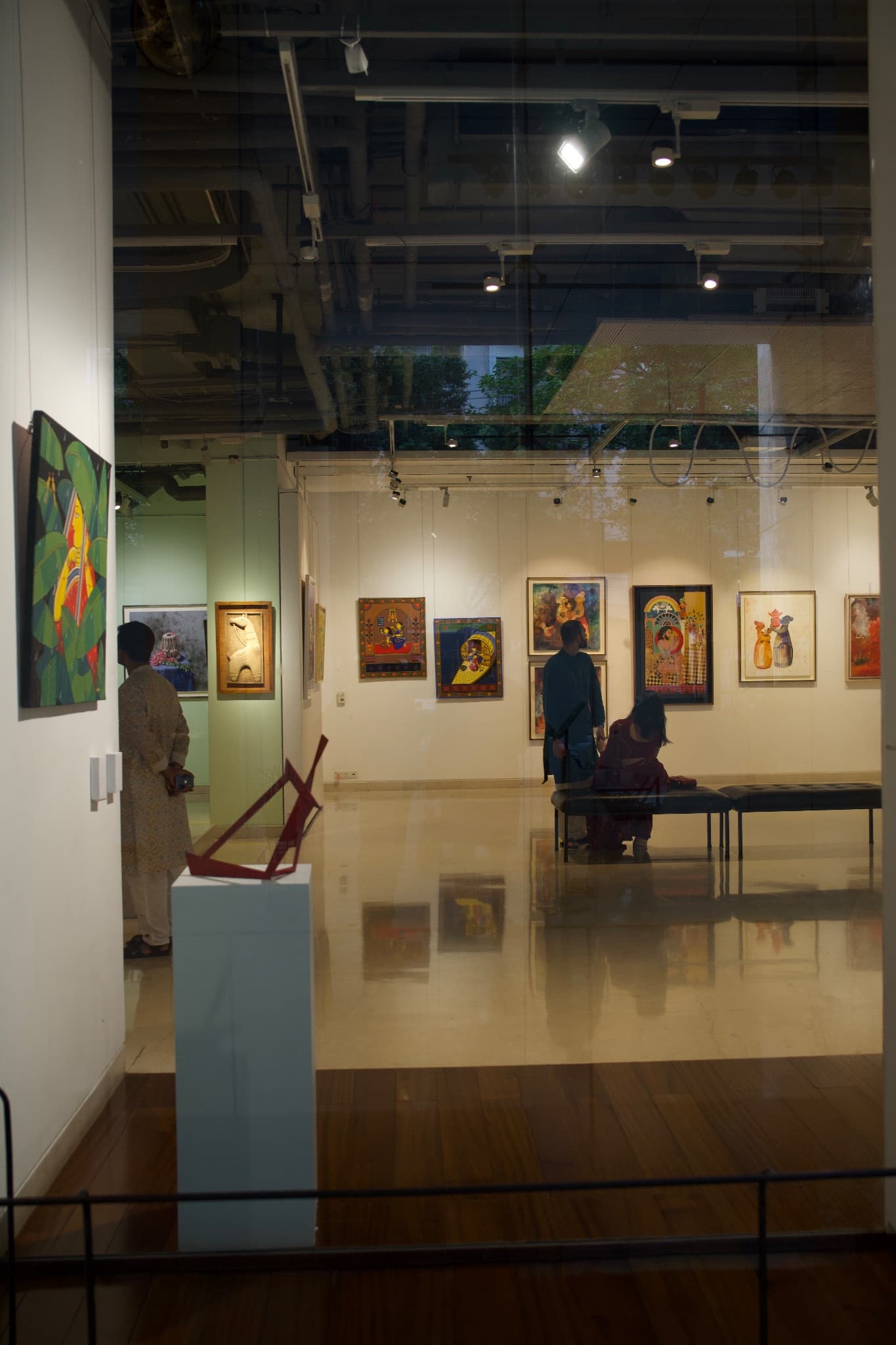
What is lost, and what is gained, when a curator turns an artist's intention into a room.