What We Forget to See?
Every artist's studio carries its own rhythm. Some are filled with unfinished conversations between canvas and colour; others quietly preserve memories long before they become paintings. A studio is more than a workspace, it is where an artist's way of seeing gradually takes form. It is also where the ordinary begins its transformation into something enduring.
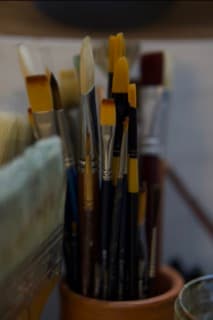
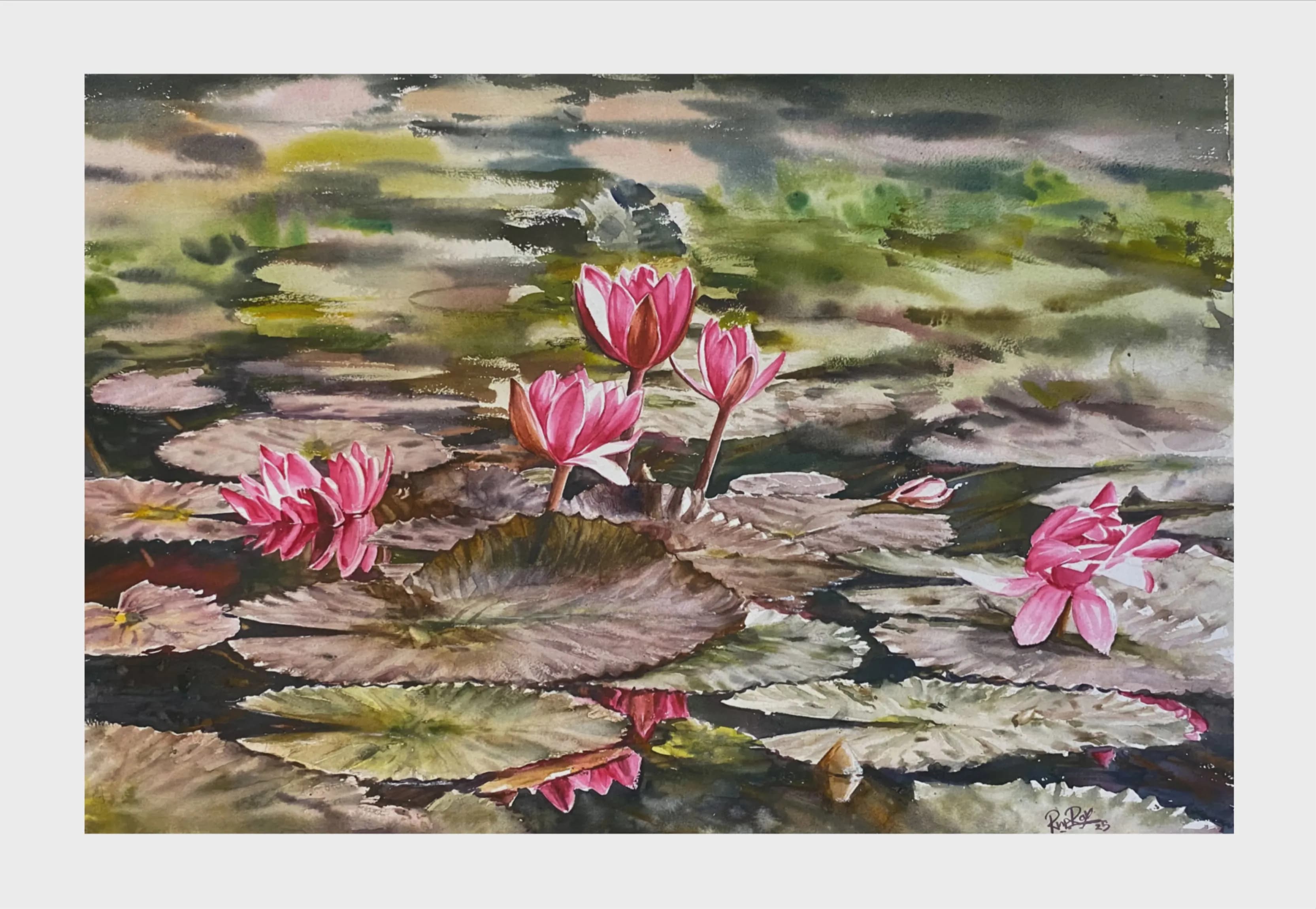
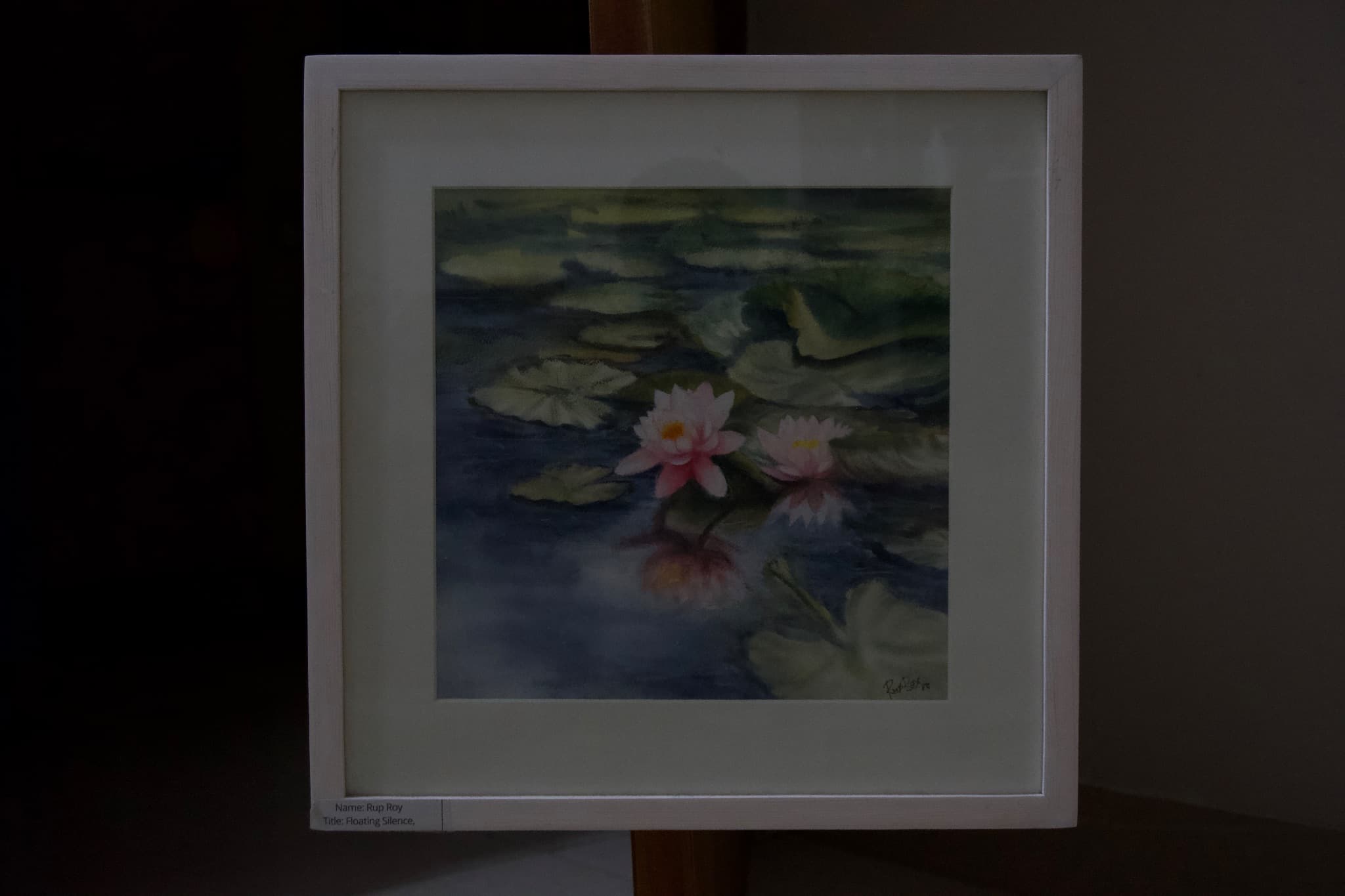
During a recent visit to Rup Roy's studio, we found him immersed in the final preparations for his upcoming exhibition. A new body of watercolours surrounded the space, each carrying the softness and quiet confidence that has long defined his practice.
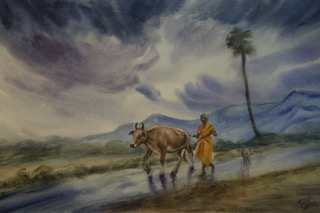
The rain had only just passed. A woman was leading her cow home with quiet care along a village path. It is a scene that once belonged to everyday rural life, yet today feels increasingly absent from our collective memory. We have seen such moments before, maybe during childhood or on journeys through the countryside but those visuals slowly disappeared from our daily lives.
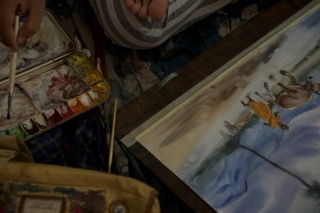
Rup Roy does not merely paint a landscape, he preserves an atmosphere. The lingering moisture after rainfall, the softened light, the silence that follows a storm, and the intimate relationship between people, animals, and nature all find their place within his composition. His watercolours possess a quiet restraint, allowing emotion to emerge naturally rather than insisting upon it.
Standing before the painting, it feels as though you have been transported to a small village nestled beside the hills, quietly observing the wonderful scenario. The experience is less about looking at a painting and more about inhabiting its world.
Perhaps this is where Rup Roy's work finds its greatest strength. He does not seek spectacle or grandeur. Instead, he turns toward the familiar, the moments we overlook, the landscapes we gradually forget, and the quiet beauty hidden within everyday life.
Sometimes, the most remarkable works of art are not those that introduce us to something new, but those that gently return us to places we thought we had left behind.