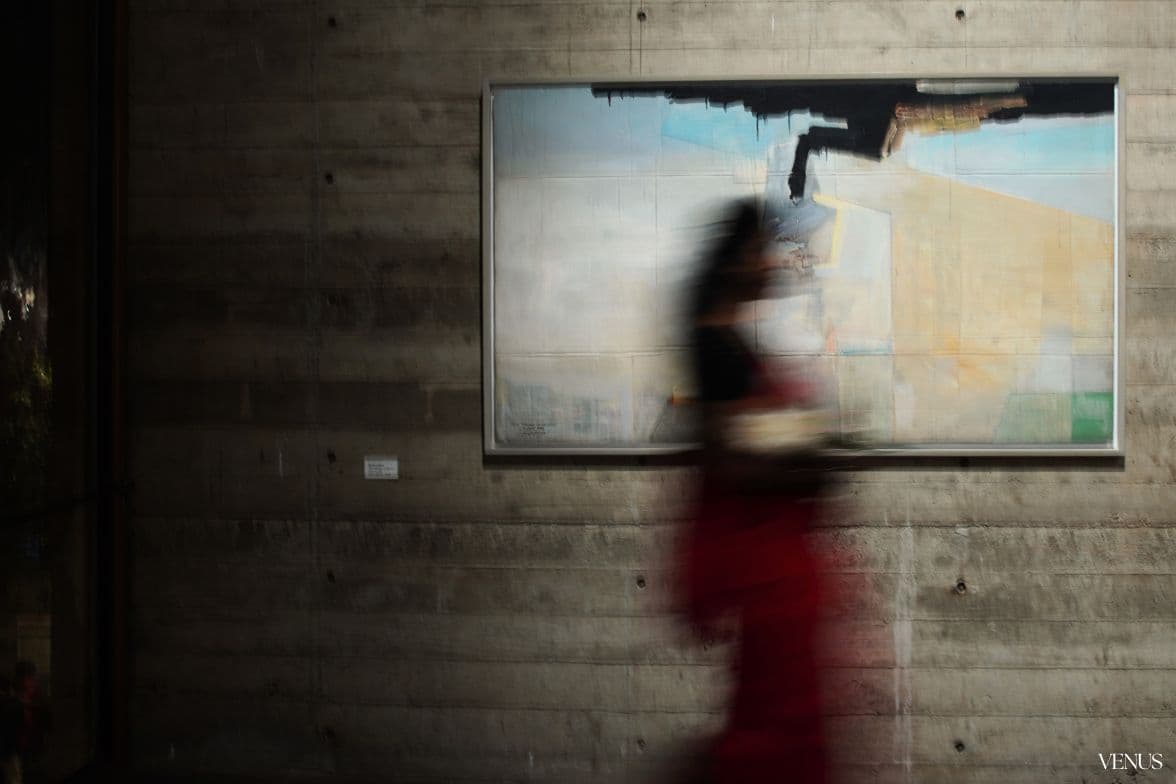
For human beings First Impression of anything is very special as it leaves behind a whole vision of perfection in the conscious or subconscious mind. But the Second Impression is rather meaningful and genuine that reveals the true identity, though it might sound negative to hear but it is the second impression that gives first impression a perfect concept by unveiling what was expected, breaking the imaginative norms of previous perception.
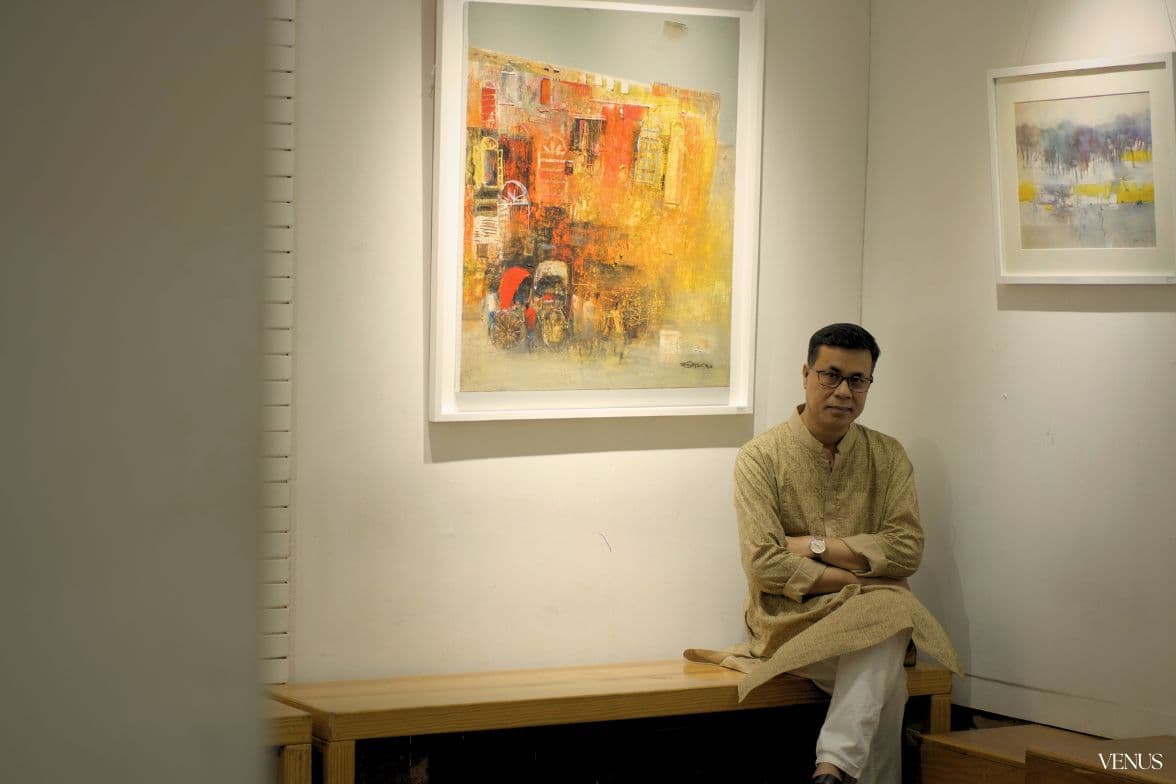
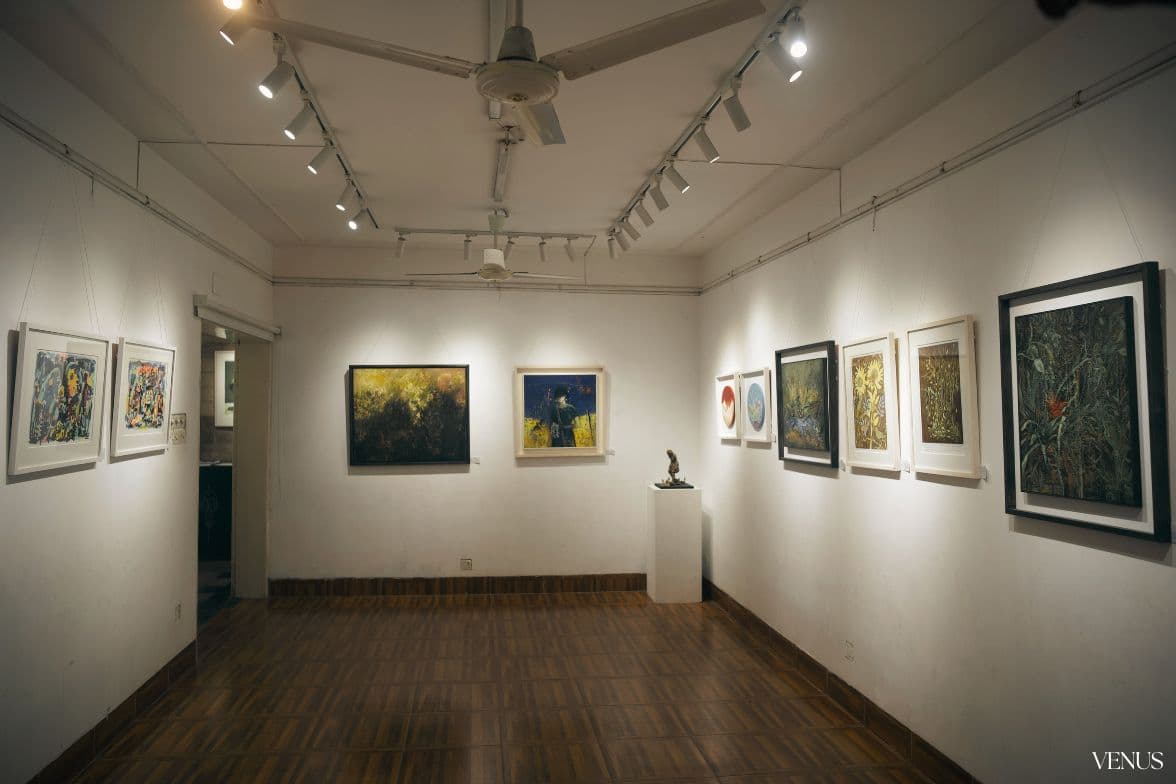
This vision brought together Bangladesh’s nine master painters-printmakers under the roof of Bengal Shilpalay’s Quamrul Hassan Exhibition Hall, offering visitors, especially younger audiences unfamiliar with printmaking —a chance to encounter the form up close. The show was inaugurated on September 10, 2026, with Zahir Uddin Swapon, MP and Political Adviser to the Prime Minister, attending as chief guest, and it runs at Bengal Shilpalay until October 3.
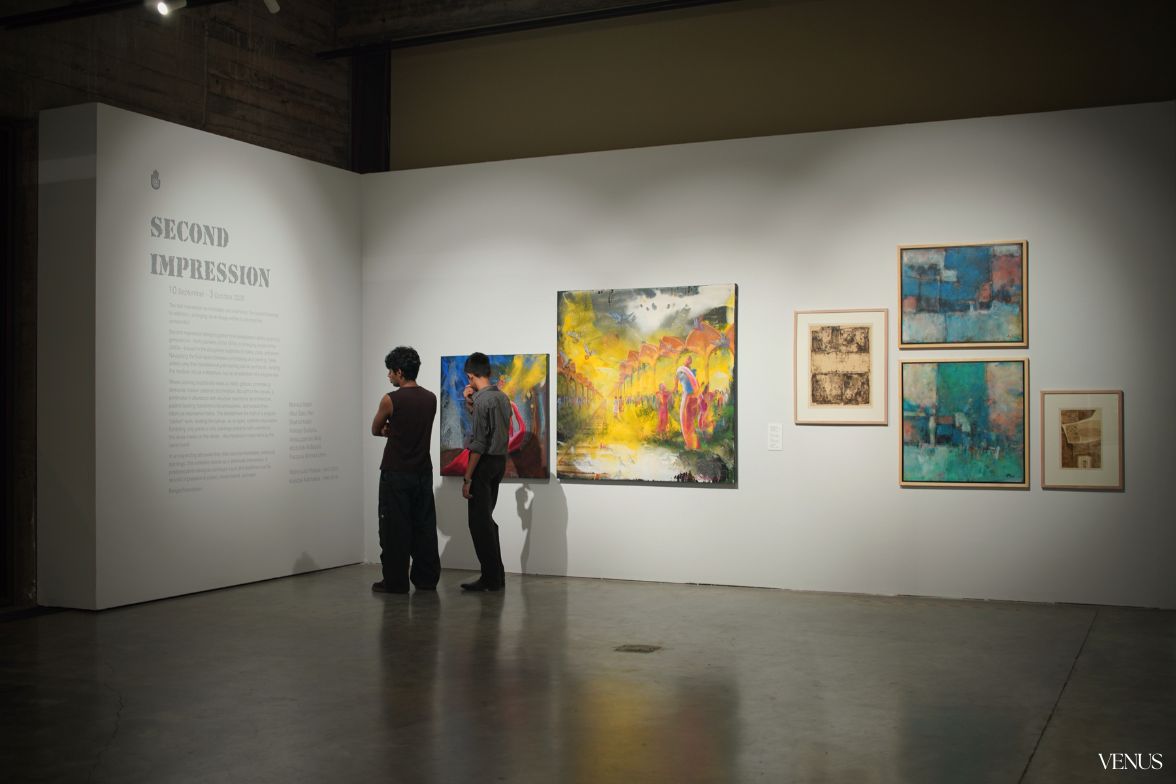
The exhibition felt like a connected meditation rather than a group show, artists who were practitioners of printmaking from the 1980s hang their works with the 2000s emerging printmakers. Though two artists- Mahmudul Haque (1945-2022) and Kalidas Karmakar (1946-2019) is not present among us, but the rest of the seven artists- Monirul Islam, Syed Abul Barq Alvi, Shahid Kabir, Rokeya Sultana, Anisuzzaman Anis, Farzana Ahmed Urmi, and Abdullah Al Bashir shared a connection of visual and spiritual resonance with both of them that conveyed through their artworks.
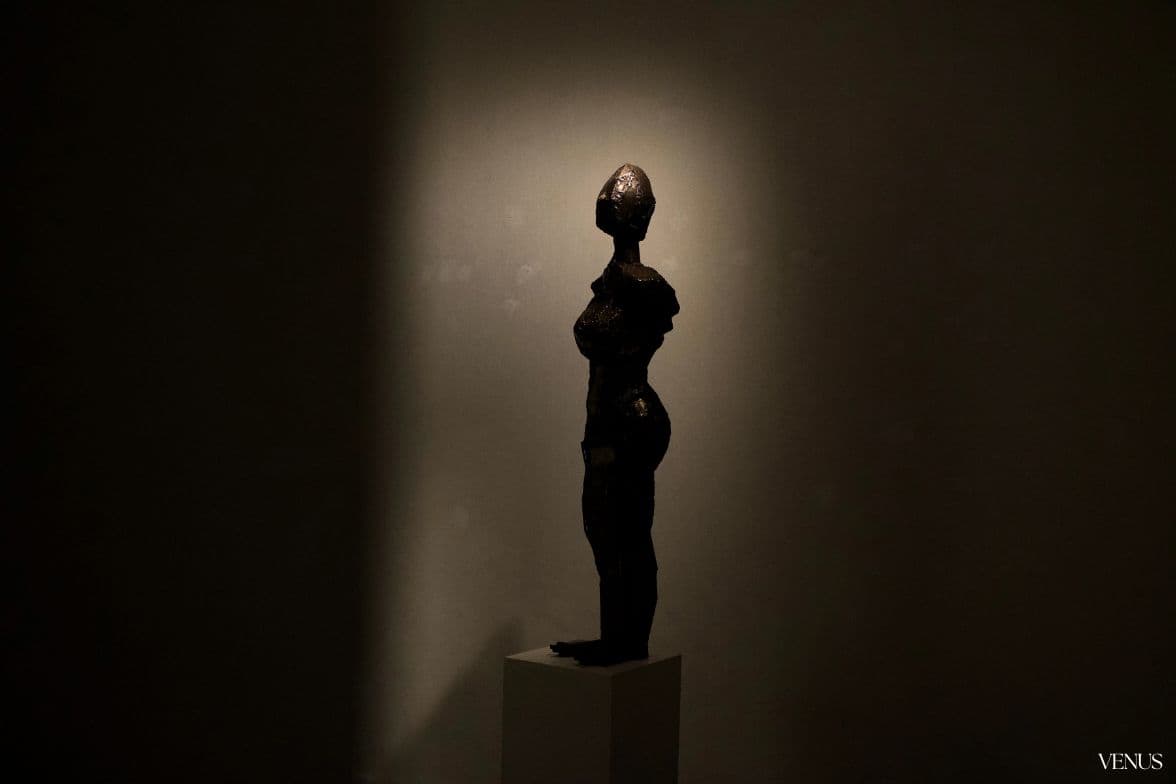
The curatorial expression too at first glance may feel like a little messy breaking the normal notion of organization, but hanging both the works- paintings beside the prints was done purposefully which provided the exhibition title a real weight- ‘Second Impression’. Pairing of both the art medium is a matter of patience and story telling, painting strokes creates a visible and direct guidance of what the artist wants to express like First Impression. Where as printmaking within the same instinct is a process of layering through repetition, a method that resists the idea of definite and perfectionist image, rooted in patience and indirect creation. Standing between the painting and prints one can understand the impulsive and deliberate expression of an artist’s philosophy.
Entering at the gallery The artwork that catches the eye of visitors is of Rokeya Sultana that creates a calming atmosphere with bright pink and yellow colors, ordinary to the eye that have been turned up to dominate her canvas, depicting an ethereal, dreamy aesthetics standing between reality and imagination.
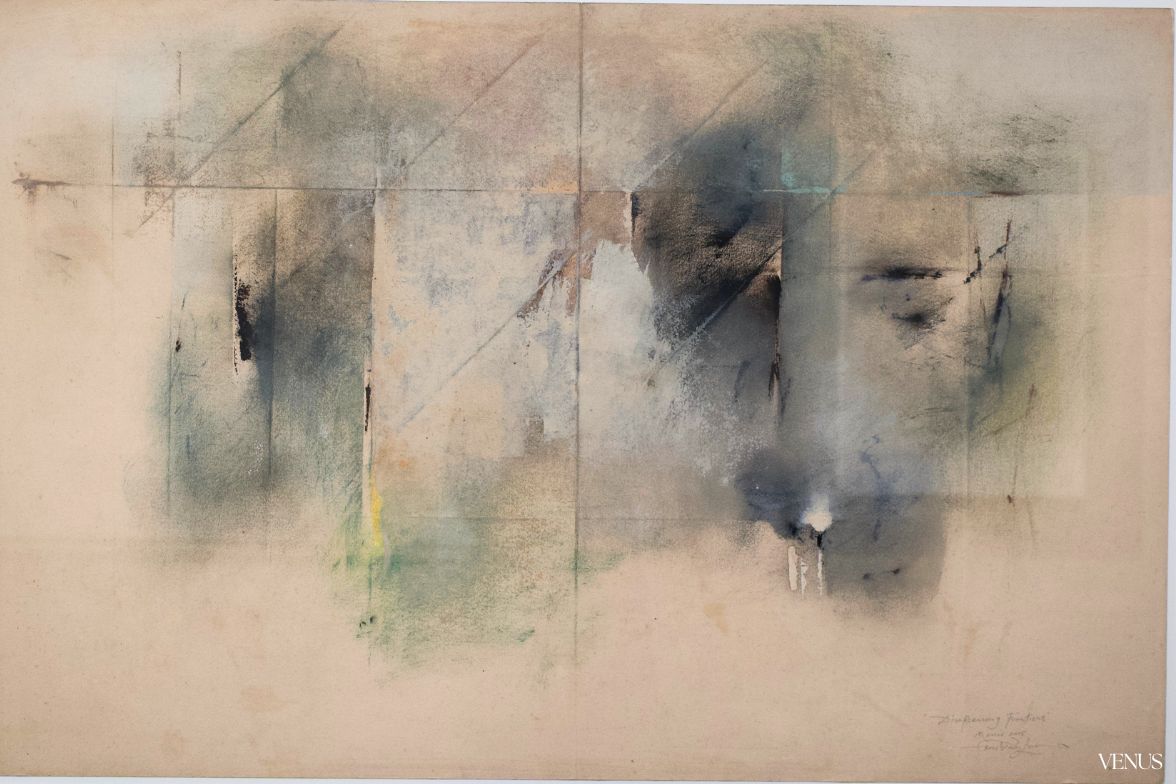
On the other hand another female artist Farzana Ahmed Urmi didn’t worry about the color combination, working in acrylic and moving to the explicit Lithograph. Through her artwork, she expressed her self-discovery, her memories, and her ongoing experiences. Kalidas Karmakar’s art theme basically resembled his journey from darkness toward light (quoted by the artist himself). His work shows the mythical characters swallowed by the darkness in prints and light in paintings.
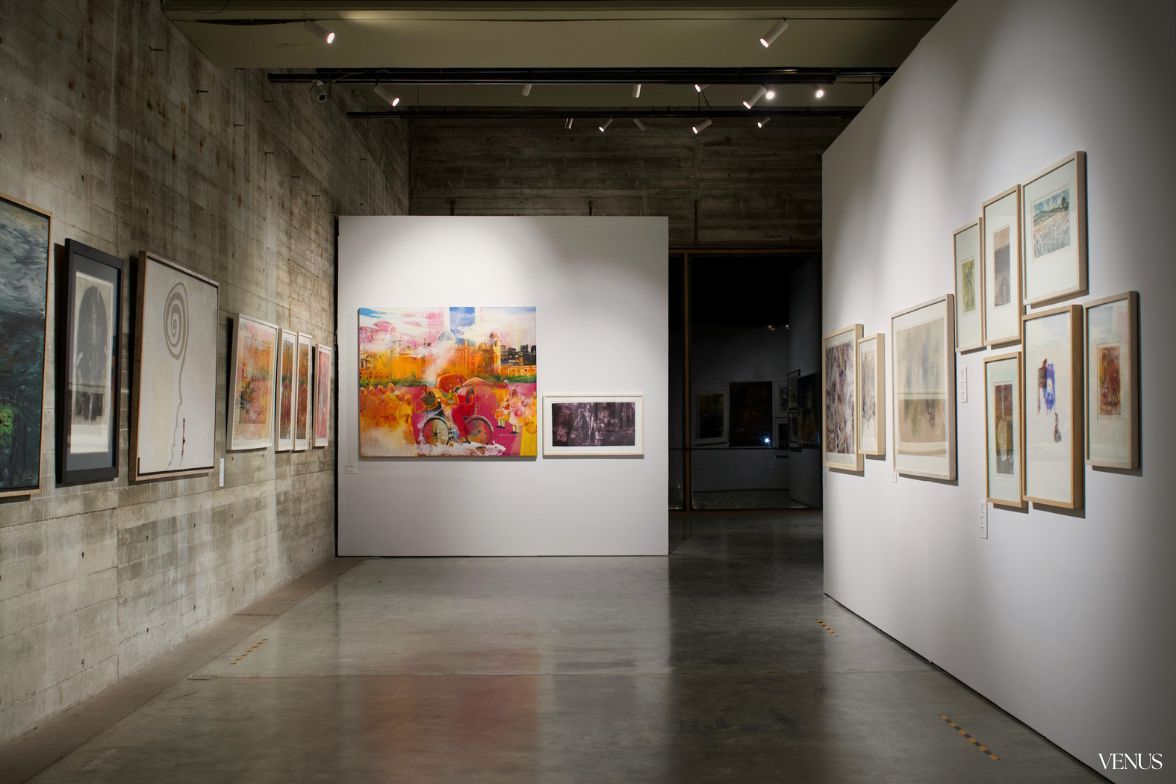
The Bangladeshi-Spanish artist Munirul Islam contributed through his geometric and Abstract patterns into the group exhibition by showcasing the views from his windows. Anisuzzaman Anis explored contemporary architectural brilliance through his printmaking and acrylic medium. He hailed Marina Tabassum for innovative project ‘Khudi Bari’. Anis created a fusion of Abstract Expressionism with Hyper-realism through his detailings of grains of dust and photographic appearance.
If there should be a clear connection between all these artists is that, none of them treated printmaking as any less than painting but far more than patience and observance. The exhibition stands out as a genuine marker by not merely presenting a solo printing exhibition and collaborating the medium as complementary part of each other. It showcased how Bangladeshi artists still safeguarded the art medium with there perseverance and how far has the medium been mastered, whether the visitors can identify them as individual etching or lithographs.