Life is Not the Balance sheet of success
A life in art is rarely measured by success alone. It is shaped by discipline, memory, loss, observation, and the courage to begin again. For Ranjit Das, becoming an artist has been a lifelong process of learning and unlearning. From his rigorous years in Baroda under K. G. Subramanyan to the memories of war, the attic room of Shakhari Bazar, and the quiet act of observing the world from above, each experience has contributed to his visual language. Perhaps the true measure of his journey lies not in the balance sheet of success, but in the accumulation of seeing.
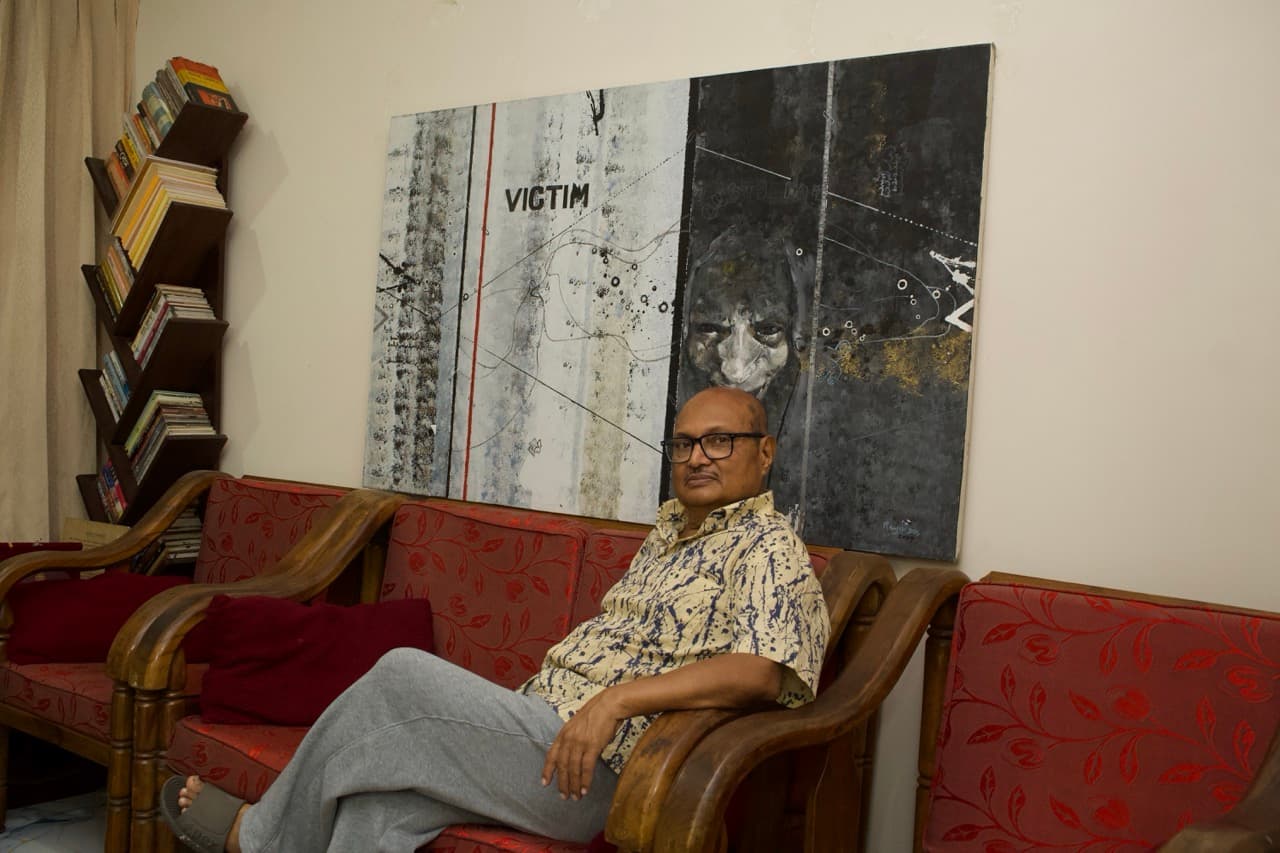
Life cannot be measured in profit and loss. But, at the end of a long journey, we inevitably begin to take account of what life has given us and what it has withheld. For Ranjit Das, there is little question that he has achieved much? His contribution to the visual arts is undeniable. And yet, after spending time with him, one may quietly feel that he deserved more. The length, depth and adventurousness of his career naturally invite such a thought.
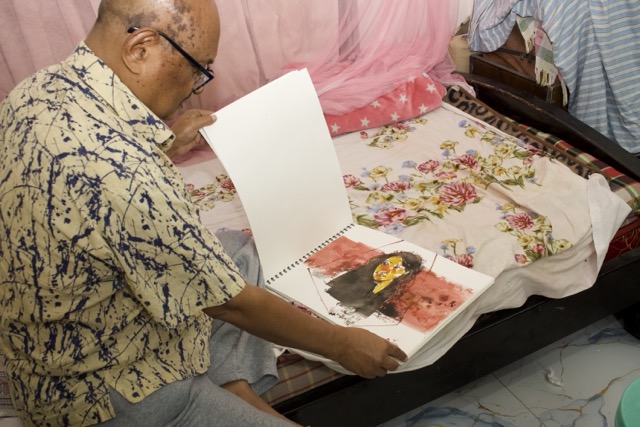
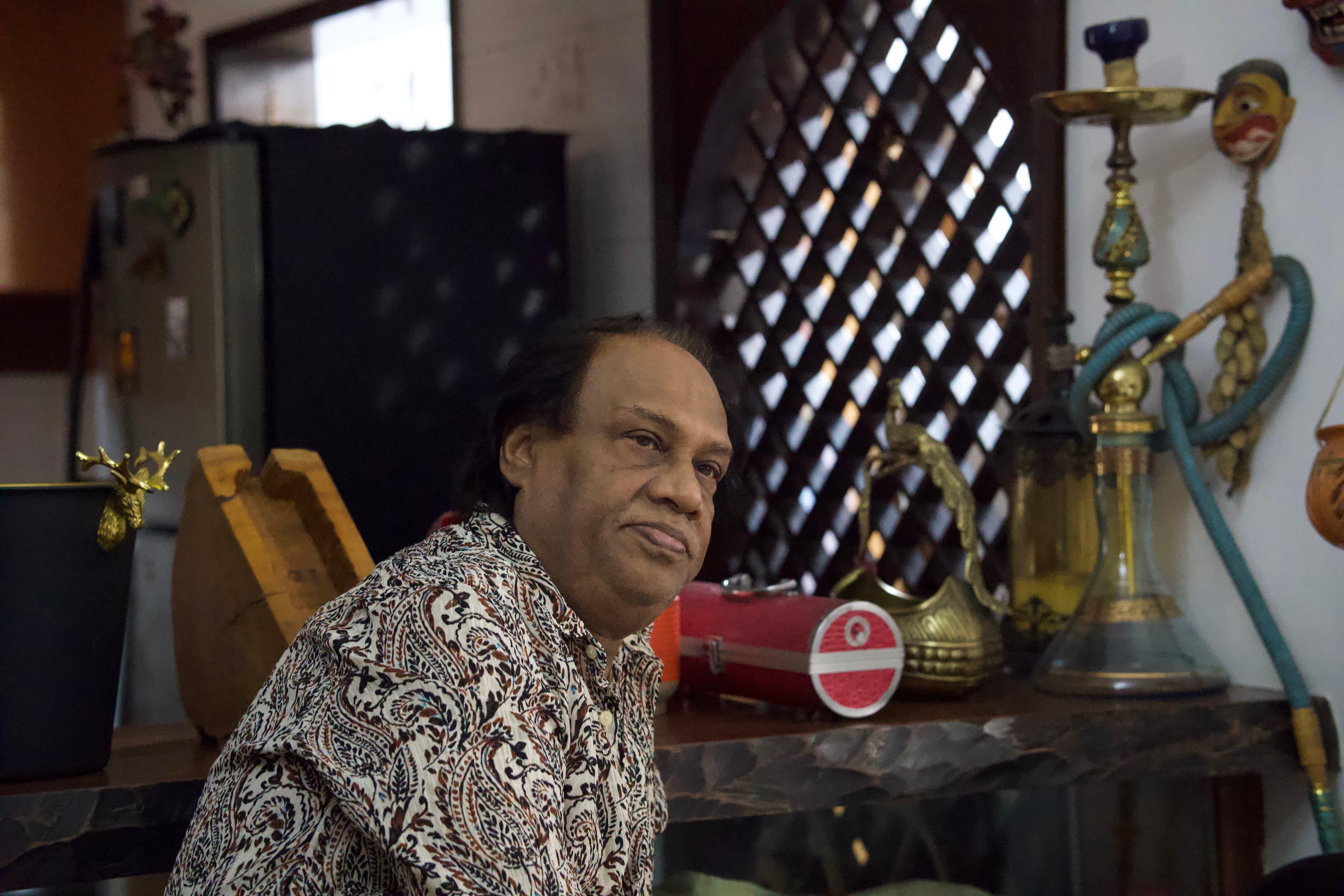
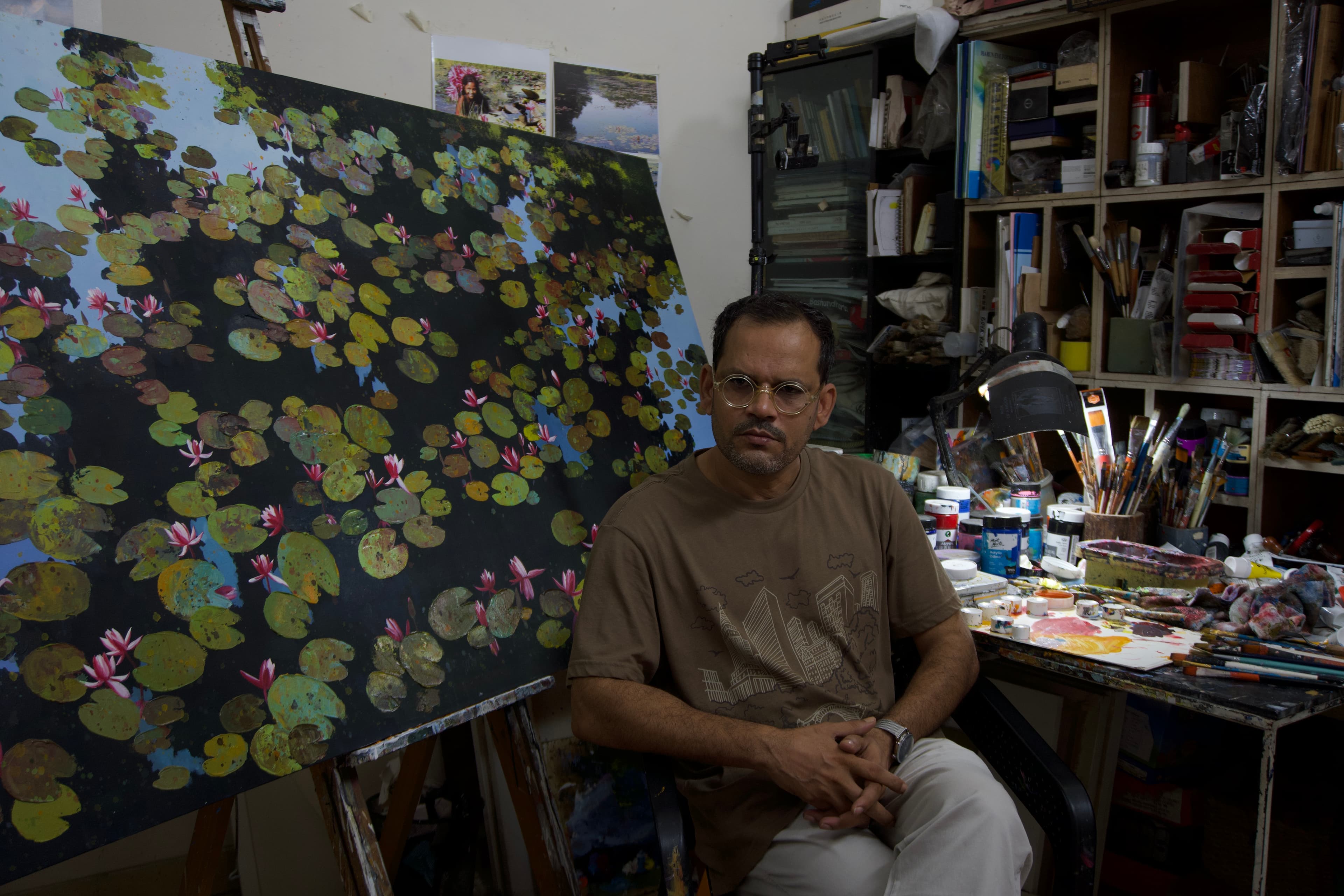
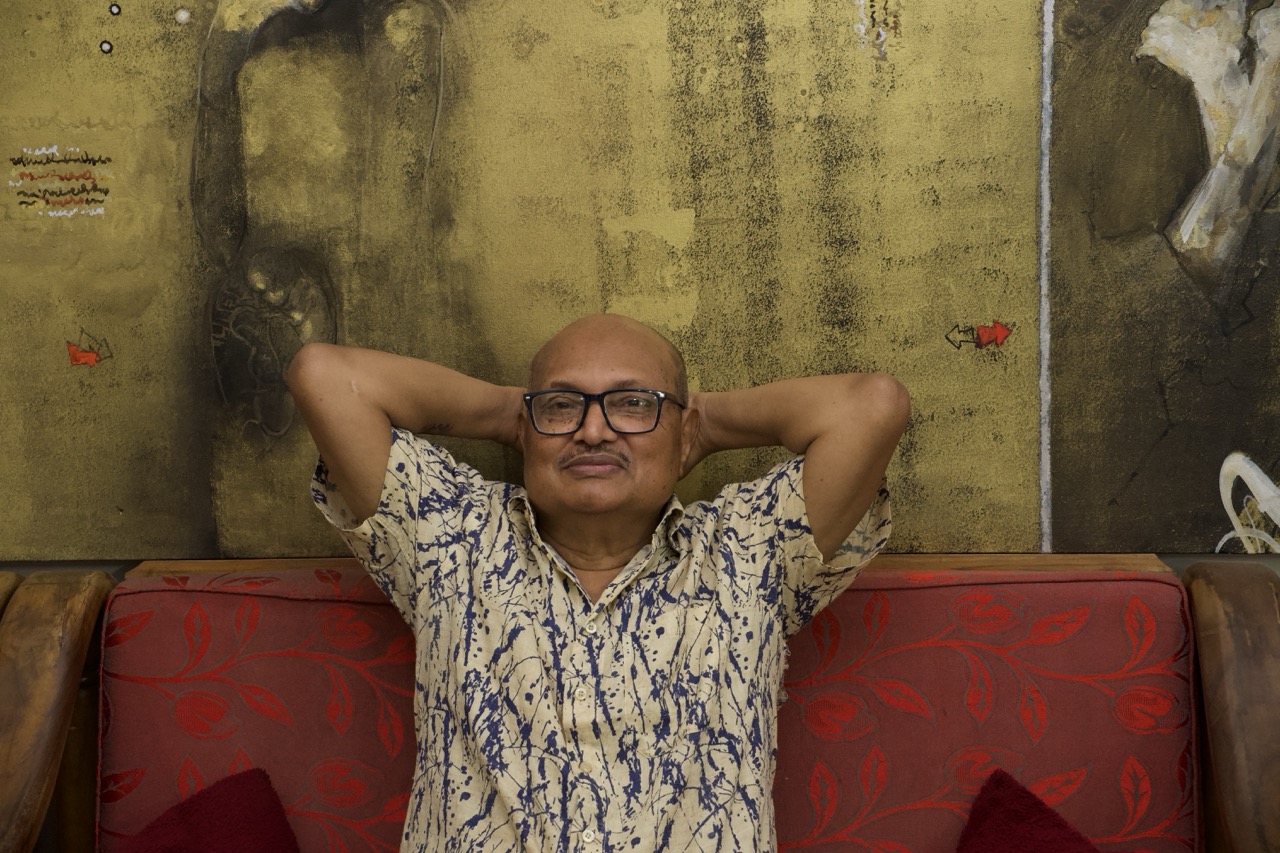
Everyone knows Ranjit Das the artist. To encounter Ranjit Das the man, however, is to meet someone of an entirely different quietness. There is an unassuming quality in the way he moves, speaks and carries himself. Nothing about him demands attention, yet his presence leaves you thinking. Perhaps that simplicity is one of the most revealing aspects of his character: the artist has never needed to perform the role of the artist.
His relationship with art began remarkably early. Some artists discover art; for others, it appears to have been there all along, almost like something carried in the blood. Ranjit Das belongs to the latter. But instinct alone does not make an artist. What followed was years of discipline, practice and, most importantly, the willingness to unlearn.
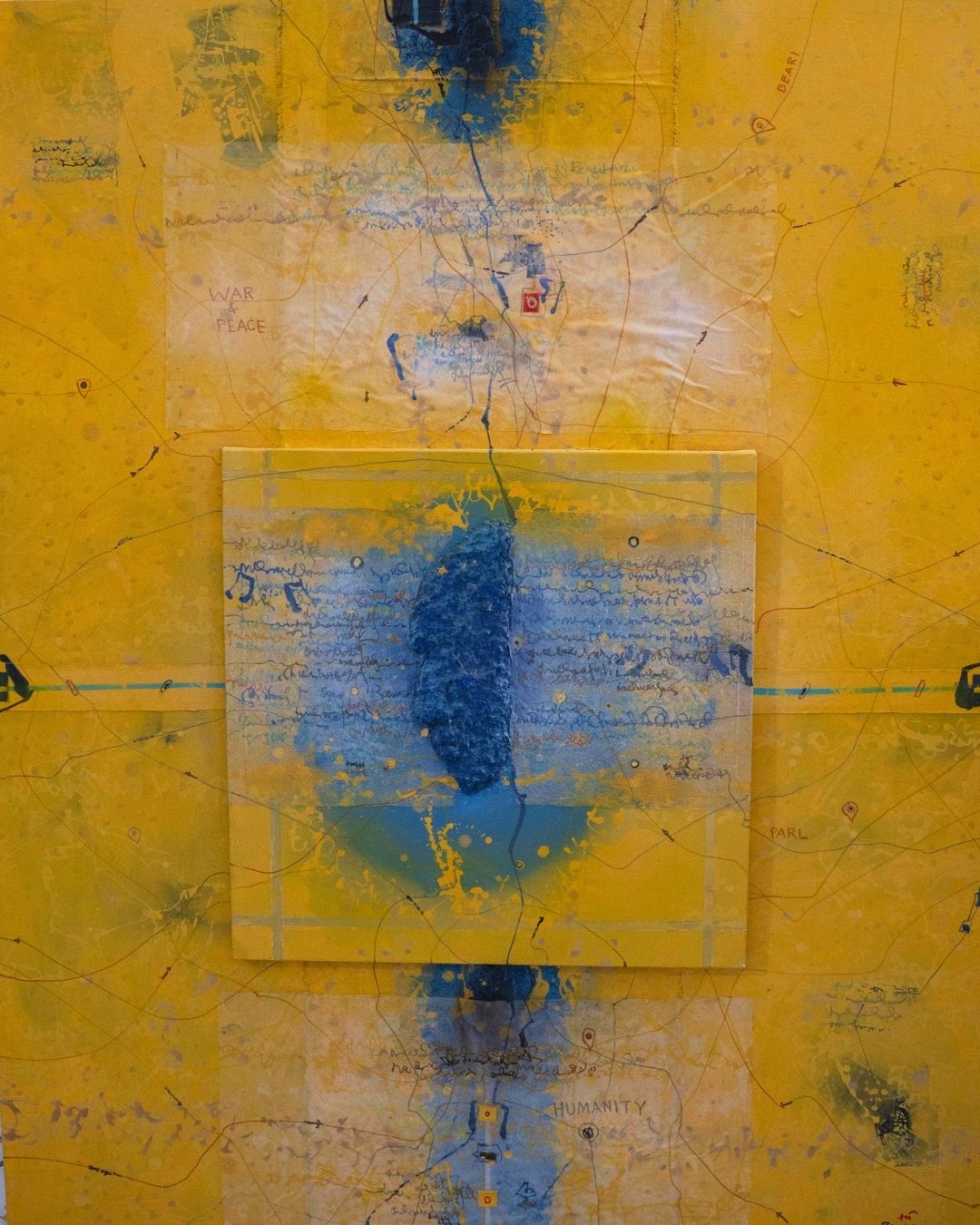
After graduating from Bangladesh College of Arts, Das travelled to Baroda, where he entered the Faculty of Fine Arts at M.S. University and became a student of K. G. Subramanyan. Baroda was not simply another chapter in his education. It became a period of rigorous reconstruction, a place where he was required to question what he already knew and reconsider the foundations upon which his practice had been built.
He went there to learn, but also, in a sense, to begin again.
During his master's years, painting in the conventional sense was not his primary concern. It would be inaccurate to say that he did not paint, but canvas work was not where his attention rested. Instead, he filled sketchbooks. He drew continuously, moving from one sketch to another, observing, testing, questioning.
There was a reason for his training.
To learn something new, one must sometimes first forget what one already knows.
The familiar visual language, the established habits, the style developed through years of practice, all of these had to be placed under scrutiny. In art, there is an old principle: before you learn how to break something, you must first understand how it is built. Breaking is easy. Building requires knowledge. This is where academic training becomes essential. Whether in painting, sculpture, music or architecture, serious practice demands an understanding of structure before experimentation can become meaningful. Under Subramanyan's guidance, Das embraced that process almost obsessively. During his master's years, he produced roughly 1,200 sketches, while his work on canvas remained comparatively limited.
Baroda, therefore, was less about producing finished paintings than about developing a way of seeing.
It was a training ground and the lessons of that period would continue to shape the rest of his life.
The artist he became was formed not only inside classrooms and studios, but also through experience. His artistic journey unfolded alongside the turbulence of history and the unpredictability of life. The Liberation War became one of the defining memories of his early life. In 1971, his home was burned. That experience did not simply disappear into the past; it remained lodged within his memory, gradually resurfacing through his visual language.
At one point, Das lived in a small attic room in Shakhari Bazar. From there, a window offered him a particular way of seeing the city. The image of that window, marked by the memory of a house damaged and transformed by war, would eventually find its way into his paintings.
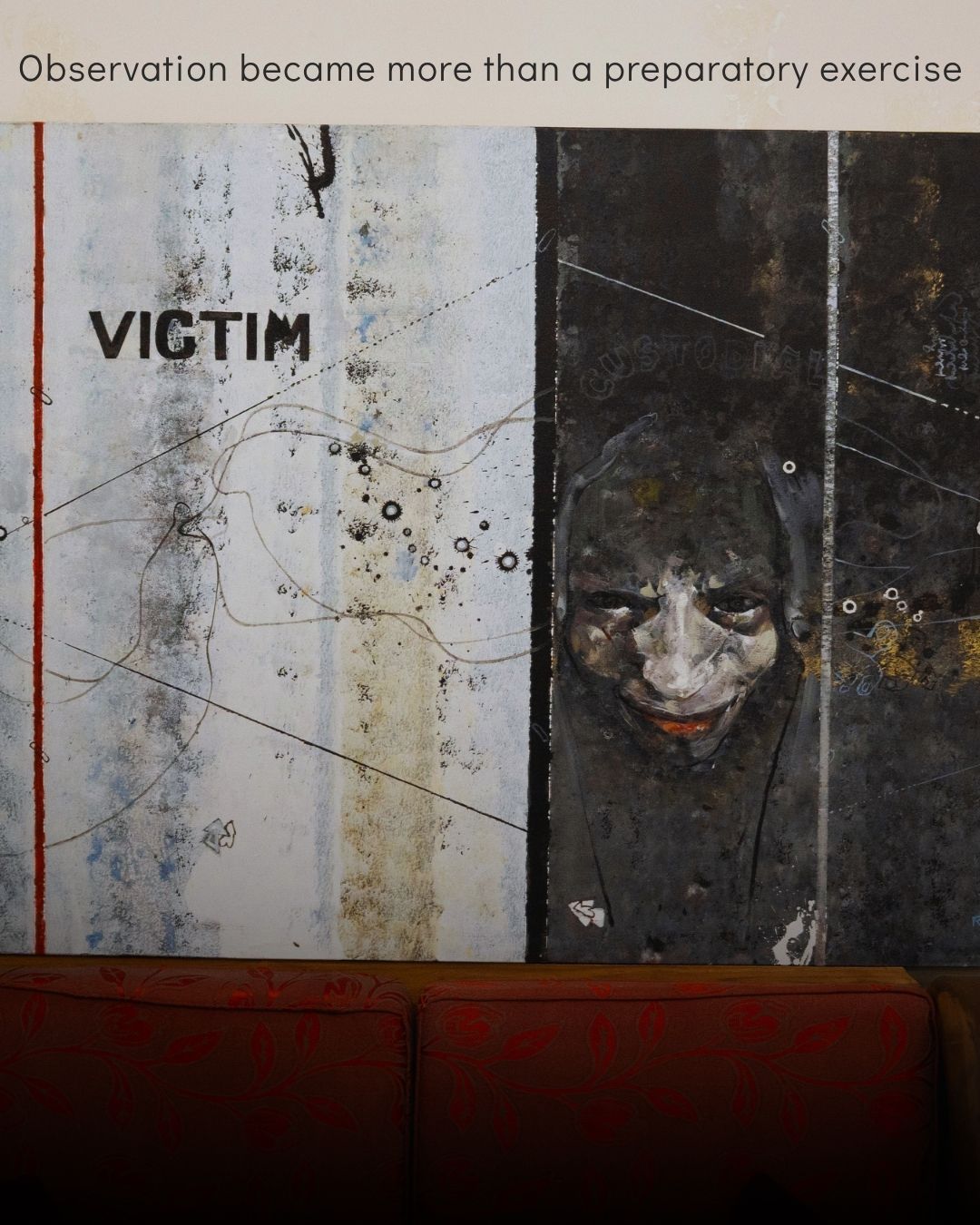
From the height of the attic, Ranjit Das began observing the world, how a bird sees it: from above, detached yet intensely attentive. The city, its structures, its movements and its fragments acquired a different geometry from that vantage point. Observation became more than a preparatory exercise. It became a way of looking at the world.
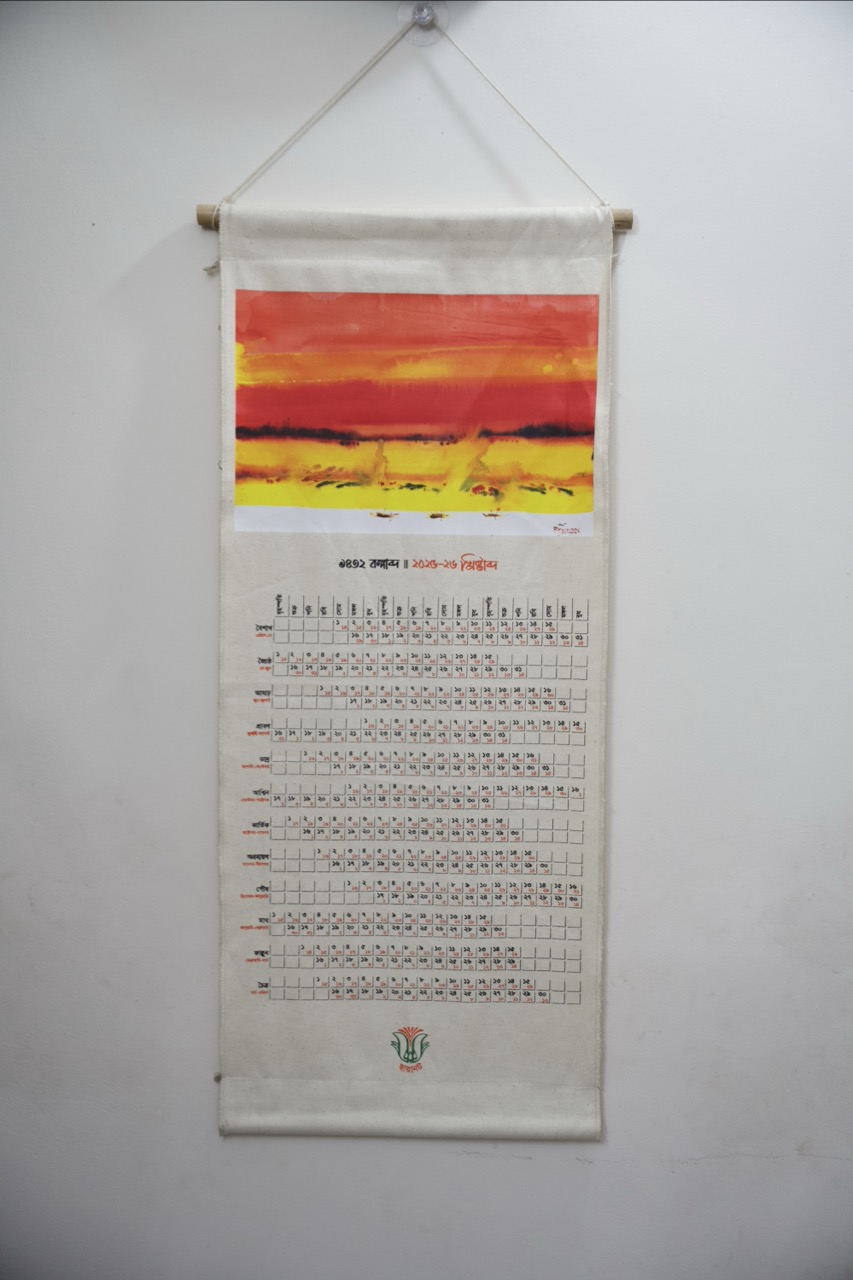
Again and again, traces of these observations appear in his work. They are not merely references to things he has seen; they are records of how he has learned to see.
This may be one of the things that separates Ranjit Das from the artist as a conventional figure. His paintings are deeply informed by his surroundings, but they are equally shaped by memory. History enters through experience. Experience becomes observation. Observation becomes an image.
And perhaps this is why his journey cannot be understood simply as a movement from Bangladesh to India, or Baroda and back again. He may have left India, but what India taught him never quite left him. Over the decades, Ranjit Das has continued to train himself. The formal education ended, but the discipline did not. His practice suggests that becoming an artist is not a stage one completes; it is a process one repeatedly returns to.
There is something quietly radical about that idea. For an artist who has spent so much of his life looking, questioning and beginning again, the work is perhaps less about arriving at a definitive style than about remaining open to transformation.
And so, when one looks back at Ranjit Das's long career, the question is not simply what he has achieved. It is also what it has taken to become the artist he is. The answer lies somewhere between discipline and memory, between loss and observation, between what he was taught and what he chose to unlearn. Perhaps that is the real measure of his life in art.
Not the balance sheet of success.