Painted Pain into Light- Vincent van Gogh
Remembering Vincent van Gogh on His Death Anniversary
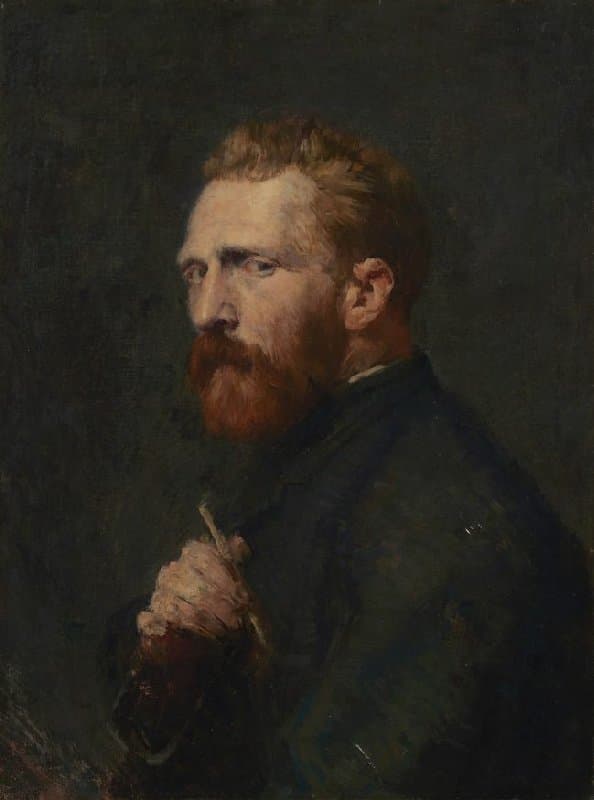
July 29 is more than a date in art history. The death of a man who spent his life searching for light, only to become a source of light for generations after he was gone. Today, Vincent van Gogh is celebrated as one of history's greatest artists. But what about during his lifetime? Few stories reveal the irony of human civilization. Humanity has always admired genius, but it has rarely known how to recognize it while it is still alive. According to the historical record, he sold only one painting, ‘The Red Vineyard.’
Van Gogh did not merely paint landscapes or flowers. He transformed emotion into color. His canvases are filled with sunflowers, restless skies, quiet fields, and empty rooms. Every brushstroke expresses loneliness, hope, exhaustion, and an unrelenting desire to be understood. He painted not simply what he saw, but what he carried within himself. That thing made his work timeless.
In Van Gogh's case, Suicide remembered as a single moment, a final decision. It was the closing chapter, years of rejection, financial hardship, emotional isolation, and relentless inner conflict. According to the historical record, he shot himself on 27 July, 1890 and died two days later, on July 29, with his beloved brother Theo beside him.
"The sadness will last forever." One misconception needs to be challenged. Modern culture often romanticizes Van Gogh as the "mad genius," suffering itself creates extraordinary art. It does not. His pain deserves compassion, not celebration. Mental illness is never an advantage, nor is tragedy a requirement for greatness. Vincent produced extraordinary work despite his suffering, not because of it.
Vincent did not paint for applause, commercial success, or public recognition. He painted because it was the only way he could remain faithful to his own vision. In an age where achievement is increasingly measured by algorithms, followers, and instant validation, his life quietly reminds us that creation can be an act of necessity rather than ambition.
The greatest crisis of the present generation may not be a lack of talent, but a lack of patience. Recognition is expected immediately. Progress is measured through instant approval. Van Gogh's life leaves behind an unsettling question: If the world never applauded your work, would you still choose to create?
Vincent challenges every creator, every researcher, every writer, and every dreamer.
But the harsh truth is he fights two battles. One is against the outside world, another against the quiet voice within that constantly asks, "Am I good enough?" Van Gogh knew that voice intimately. His letters reveal insecurity, frustration, and persistent self-doubt. Yet each morning he returned to the canvas. His courage was not the absence of fear. It was the decision to continue it.
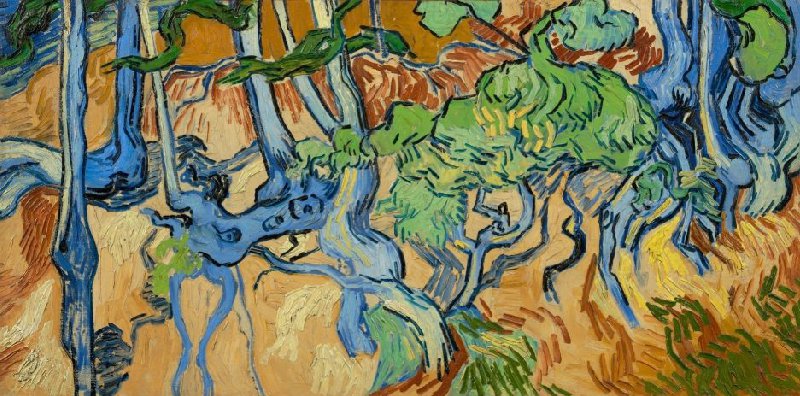
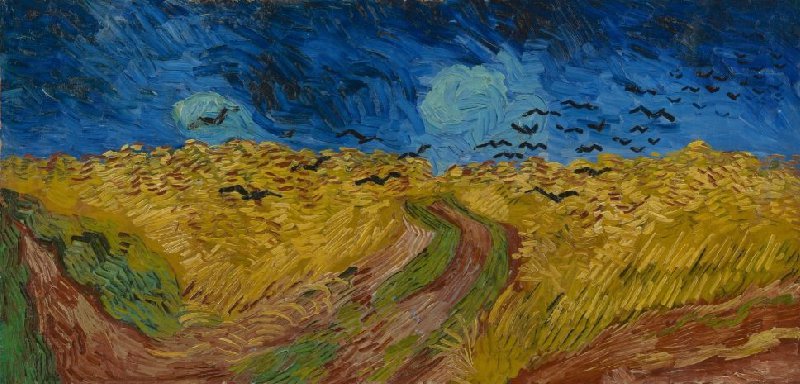
Today, millions admire Sunflowers,Wheatfield with Crows or Tree Roots, often forgetting the loneliness that accompanied their creation. Masterpieces are celebrated while the invisible hours of rejection, uncertainty, and perseverance that shaped them are easily overlooked. The finished work receives admiration; the difficult process behind it is quietly forgotten. But it is precisely within that unseen process that the deepest beauty of creation exists. During his lifetime, Vincent remained largely invisible. After his death, he became one of the defining symbols of artistic genius. That transformation reveals less about Van Gogh.
Society has always wanted to find success without struggle.
A human life may end, but a vision capable of changing the way others see the world does not. Every year, countless young artists begin their own journeys after encountering Van Gogh's work. His imagination continues to awaken imaginations long after his own life came to an end. Maybe the purest form of success is neither wealth nor popularity, but leaving behind a way of seeing that continues to shape generations yet to come.
His death leaves behind another difficult question.
Have we truly learned to recognize those who are quietly struggling among us, or do we still wait until someone is gone before deciding that they mattered?
For that reason, July 29 should be more than a day of remembrance. It should also be a day of reflection. How often are artists, writers, researchers, musicians, and ordinary people encouraged while they are still carrying invisible burdens? How often is empathy offered before admiration?
History repeatedly demonstrates that a single act of encouragement can alter the direction of a life. Vincent's work reminds us that the highest purpose of art is not merely to create beauty. It is to reveal truths that often remain invisible. Sometimes those truths are so uncomfortable that society is not prepared to accept them.
July 29, more than an artist is remembered.
Everyone whose work became larger than a lifetime is remembered. Everyone whose voice arrived too late is remembered. And reminds us a question, Can a world be built where artists are valued while they are alive, instead of only after they become history? Recognition may arrive late, or it may never arrive at all. But work created with honesty and dedication is never wasted. Human lives are finite, but sincere creation possesses a rare ability to outlive its creator.
Some people never truly disappear.
They remain in colours, shining like stars.