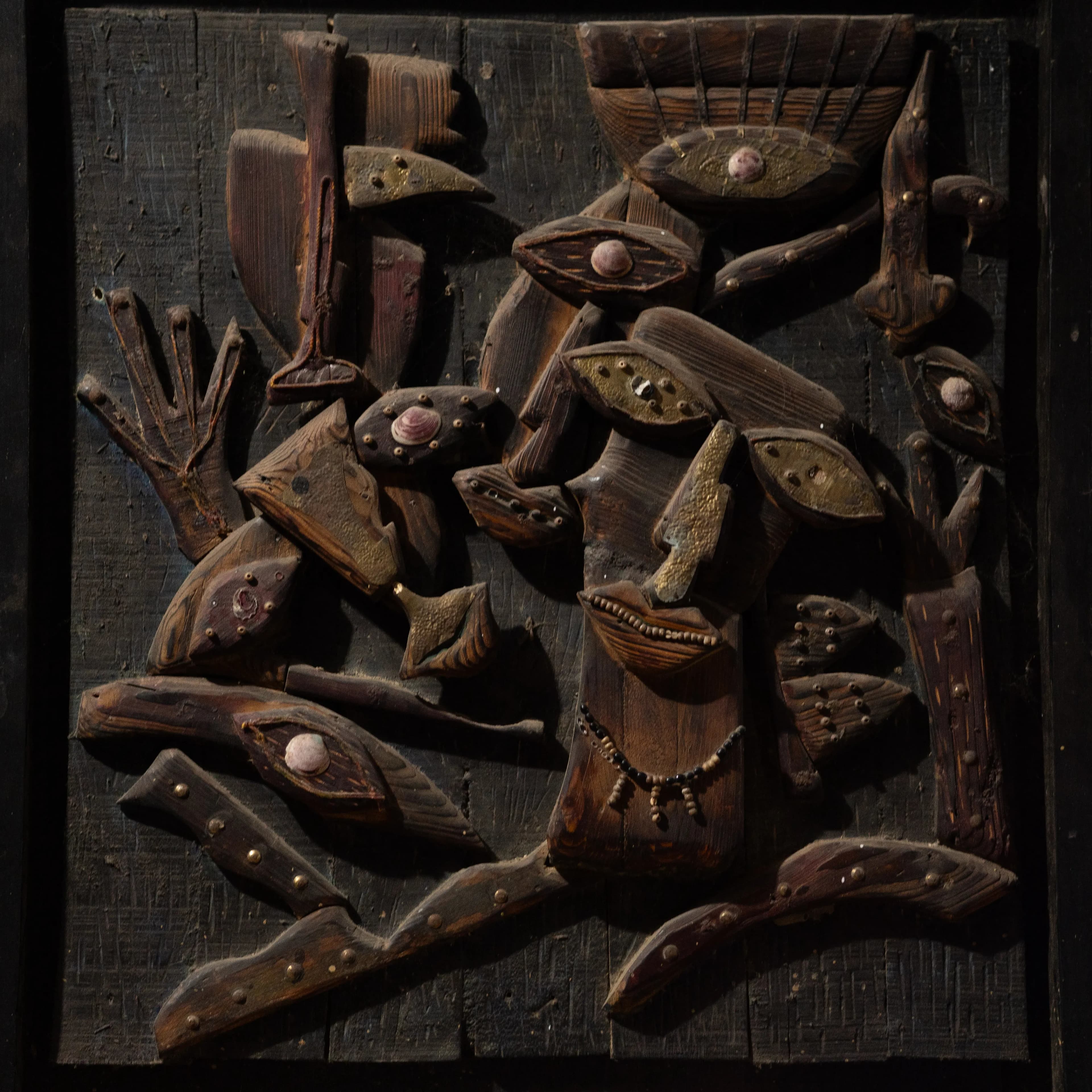
The Curator as Translator
What is lost, and what is gained, when a curator turns an artist's intention into a room.
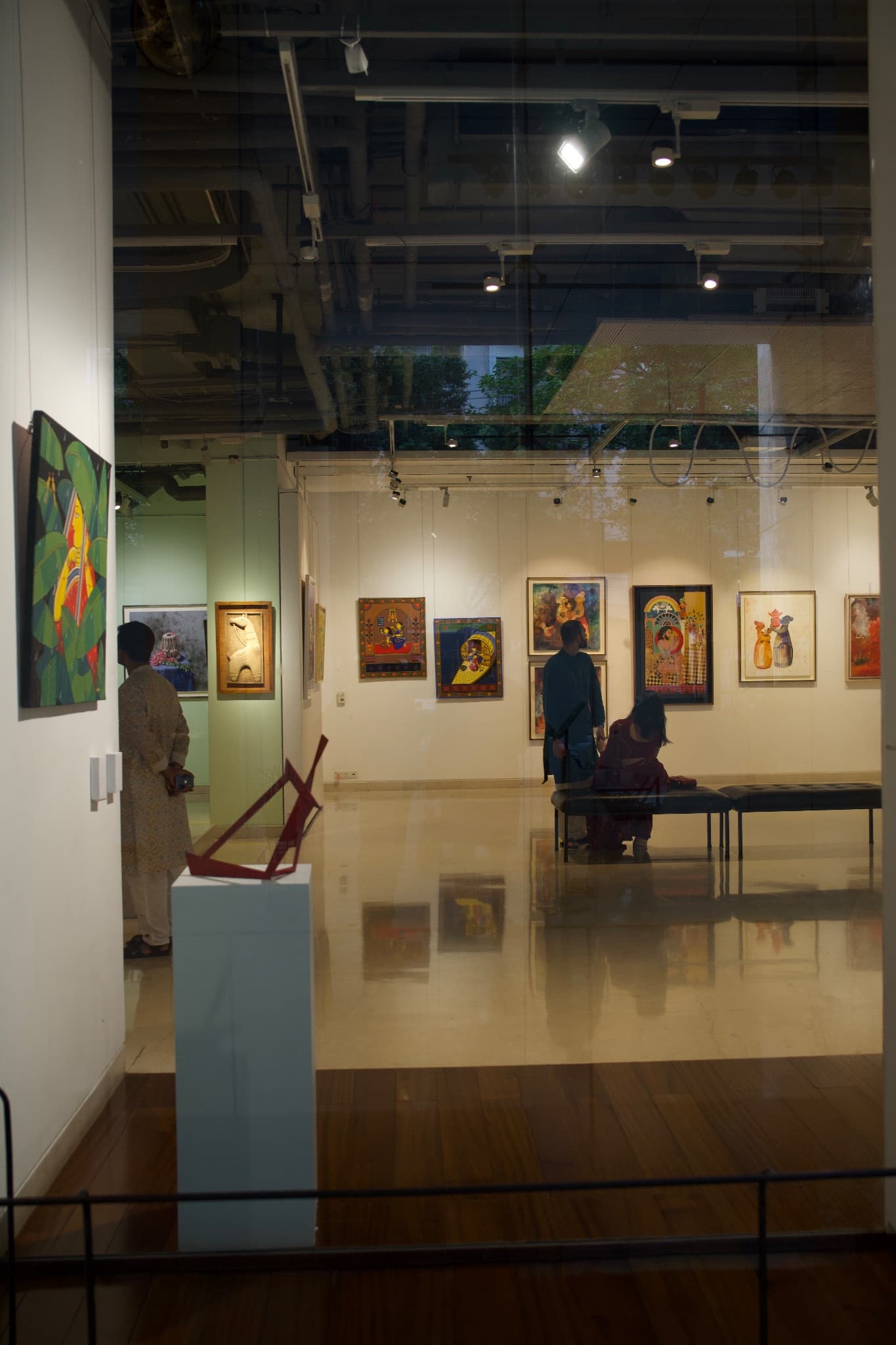
To curate in a delta is like working with the nature of water. In Dhaka, where the air is heavy and the city is in a constant roar of movement, the role of an Art Historian and Curator is to find a way to anchor the shifting silt of our creative identity. I have spent my career at the tricky intersection of academic research and the fast-paced world of art sales. In a country like Bangladesh, a gallery is more than just a room. It is a space where our history is protected and our future is being written.
When someone looks at Bangladeshi art from the outside, most of the time they look through a lens of crisis. They expect to see stories of poverty, political struggle, or climate change. Though these things are part of our lives, the responsibility of an art historian is to observe the deeper layers. I see the invisible lines that connect today’s young digital artists to the raw charcoal lines of Zainul Abedin or the powerful figures of SM Sultan. Bangladeshi modern art is not just a copy of Western styles. It is a language born from our own soil and shaped by our own struggles. This historical depth is the true value of our art. Without knowing the context, a masterpiece is nothing but a beautiful object. But with history, the same artwork becomes a vital part of our roots.
Through years of experience in art mediation and working with buyers, I have realized that one of the most important roles of a curator and historian is being a translator — the bridge between a bold, experimental piece of art and a collector who wants to invest in something meaningful. This is where the psychology of the market meets the soul of the artist. It is not only about selling a painting, but also about facilitating an intellectual connection.
The famous philosopher Roland Barthes once said, “A text’s unity lies not in its origin but in its destination.” This profound idea applies perfectly to the visual arts. The meaning of a painting or an installation is not just found in the artist’s studio. It is completed the moment it reaches the eyes of the viewer or the home of a collector. Curators have to make sure that destination is ready. They prepare collectors to understand that they are not just buying an asset, but becoming guardians of a piece of history.
The contemporary art scene in Bangladesh is currently in a state of beautiful explosion. We are moving far beyond the traditional ideas of oil on canvas. Artists are now playing with sound, recycled textiles, and performance art that challenges how people think about the human body. This energy is exciting, but it can also be chaotic. This is why the role of a professional curator is so necessary right now. Without someone to provide an intellectual framework, this creativity can get lost in the chaos of the global art market. I see curators as guardians of this movement. They provide the scaffolding that helps artists stand tall on the international stage. When a critic in Europe or the USA looks at a piece from Dhaka, they do not just see something exotic. A curator helps them see the intellectual rigor and the historical weight behind it.
Building relationships with buyers is also a deeply personal task in our culture. In the West, art is often treated like a stock market. In Bangladesh, it is about legacy and sovereignty.
Whenever I sit down with a collector, we discuss the future of our culture — how their collection can tell a story of where it came from and where it is going. I want our collectors to feel that they are building a national archive. Art history background gives the authority to tell them which artists are truly pushing boundaries and which ones are simply following trends. And it is a position of trust.
As we look forward, the challenge is to maintain our unique voice while representing ourselves to a global audience. We have stopped seeking permission to be part of the international conversation. Now we have the capability to lead it. The role of the curator is to ensure that this momentum stays strong. We have to continue documenting the survival and brilliance of our civilization through its visual culture.
Curating is not just about hanging art. It is a process of protecting the spirit of a nation that refuses to be defined by anyone but itself. By combining the precision of a historian with the vision of a curator, we can help ensure that the story of Bangladeshi art is told with the respect and depth it truly deserves. The destination is clear, and the journey is just beginning.
Press enter or click to view image in full size